Affection & attachment
Why Does My Dog Lick Me? 9 Reasons Dogs Lick People
Affection, appeasement, salty skin or an upset stomach? Here are the nine main reasons dogs lick people and how to tell which one applies to your dog.
Key takeaways
- Most dogs lick people as a social behavior rooted in puppyhood, used for greeting, bonding and appeasement.
- Licking can also be about taste, scent information, attention seeking or self-soothing when a dog is stressed.
- Face licking is often a greeting ritual, while foot licking is usually about the salty, scent-rich skin on your feet.
- Sudden or excessive licking of people, floors or objects can point to nausea, gastrointestinal disease, pain or anxiety and deserves a vet check.
- You can reduce unwanted licking kindly by redirecting to an alternative behavior and rewarding it, never by punishing.
Jump to a section
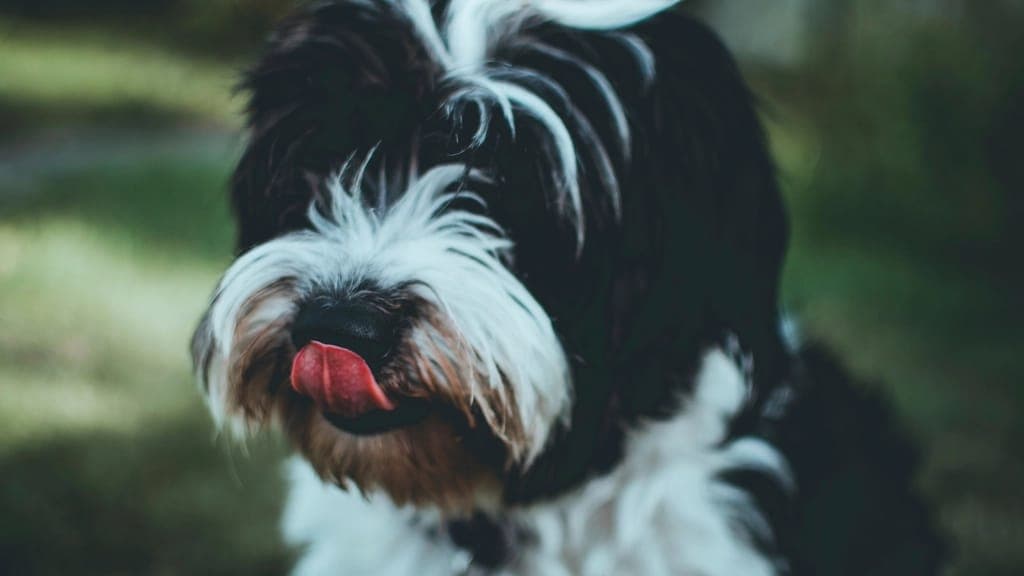
Your dog licks you mostly because licking is a core social behavior for dogs: it's how puppies greet and solicit care from their mother, and adult dogs keep using it to greet, bond with and calm the people they're attached to. Taste, scent and learned attention play a big part too.
But a lick is not always a kiss. The same tongue can signal affection, appeasement, stress or even an upset stomach, and excessive licking can be an early sign of a health problem. To know which one your dog means, you have to read the licking alongside the rest of the body and the situation, an approach that runs through everything in our guide to understanding dog behavior.
9 reasons your dog licks you
Most dogs lick for more than one reason, and the reason can change from moment to moment. Here are the nine most common explanations.
1. Affection and bonding
Licking is an affiliative behavior: dogs lick group members they are relaxed and familiar with. When your dog snuggles up on the sofa and gives your hand a few slow licks, with a soft body and relaxed face, it's a friendly, social gesture. It's one of several everyday signs your dog loves you.
2. Greeting ritual
Wolf and dog puppies lick the mouths of returning adults, a behavior that in wild canids can prompt the adult to regurgitate food. That muzzle-licking greeting persists into adulthood. When you walk in the door and your dog aims straight for your face, she is performing a very old canine hello.
3. Appeasement
Licking is also a way to keep the peace. A dog who licks your face or hands while lowering his body, flattening his ears and averting his eyes is often saying "I'm no threat, let's keep this friendly." This is why dogs often lick more when someone is tense, angry or looming over them.
4. You taste interesting
Human skin is salty, especially after exercise. Lotions, food residue and sweat make hands, faces and feet very appealing. Sometimes the simplest explanation is the right one.
5. Gathering information
Dogs explore the world through smell and taste. Licking helps transfer scent molecules toward the vomeronasal (Jacobson's) organ in the roof of the mouth. Your skin tells your dog where you've been, what you ate and possibly how you're feeling.
6. Attention seeking
If licking reliably earns a laugh, eye contact, talking or petting, it will happen more. Even a playful "stop it!" can be reinforcing. Learned licking often shows up when you're on your phone or working, the same way some dogs paw at you for attention.
7. Grooming and caregiving
Dogs groom each other, and mothers lick puppies to clean them and stimulate toileting. Some dogs extend this caregiving to their people, licking ears, hair or small cuts.
8. Self-soothing and stress
Licking releases tension. A dog who licks you repetitively in a stressful moment, such as at the vet, during fireworks or when visitors arrive, may be calming himself. Watch for other stress signals such as yawning and lip licking, panting, pinned ears or a tucked tail.
9. Medical causes
Nausea, gastrointestinal disease, dental pain, skin allergies and some neurological conditions can increase licking of people, objects and surfaces. If your dog's licking has changed, health should be the first thing you consider.
Why does my dog lick my face?
Face licking is usually a greeting and appeasement ritual inherited from puppyhood, combined with the fact that your face is where your scent, breath and food traces are most concentrated. Many dogs lick faces most at reunions, when you wake up, or when you crouch down to their level.
Look at the body language. A relaxed, wiggly dog licking your chin on your return is greeting you. A dog who licks your face rapidly while you hug her, with a stiff body, ears back and eyes showing their whites, is more likely asking you to let go. Hugs are a very human gesture, and many dogs only tolerate them.
Pro tip: If your dog licks your face intensely while you're holding them, pause and let go. If they move away and shake off, the licking was probably a polite request for space.
Why does my dog lick my feet?
Feet are covered in sweat glands, so they're salty and rich in scent. To a dog, your feet after a run are a fascinating information source. Feet are also convenient: they're at dog height when you're sitting on the couch.
Foot licking can also be attention seeking (it almost always gets a reaction) or a calming behavior for dogs who settle at your feet. It's rarely a concern unless it's obsessive or your dog is licking his own feet constantly, which can point to allergies or skin problems.
Dog licks me when I cry: empathy or something else?
Many owners notice their dog comes over to lick them when they're upset. In a study by Custance and Mayer (2012), dogs approached a person who was pretending to cry more often than when the person was humming or talking, and they typically responded in a submissive, comforting way, including nuzzling and licking. They did this whether the crying person was their owner or a stranger.
The researchers called this "empathic-like" behavior and were careful not to claim it proves dogs understand sadness the way humans do. What's clear is that dogs notice changes in your voice, posture and behavior and respond socially. Whether your dog is comforting you, seeking reassurance or both, it's a sign of how closely dogs track their people.
Reading the lick: a quick meaning table
Use this table as a starting point, then always check the whole dog and the context.
| What you see | Likely meaning | What to do |
|---|---|---|
| Slow licks, soft body, relaxed face, lying close | Affection, bonding | Enjoy it, or calmly redirect if you'd rather not |
| Excited face licking at the door, wiggly body | Greeting ritual | Greet calmly; reward four paws on the floor |
| Licking while crouched, ears back, eyes averted | Appeasement | Give space, soften your posture, stop reaching over |
| Licking you when you're on your phone | Attention seeking | Reward calm behavior; build in regular attention breaks |
| Licking during fireworks, vet visits or guests | Self-soothing, stress | Reduce the stressor, offer a safe space, consider a plan |
| Licking you, floors and air, gulping or swallowing | Possible nausea or GI problem | Contact your vet |
Dog licking excessively: when to worry
Licking becomes a concern when it's frequent, intense, hard to interrupt, or new. Excessive licking of surfaces such as floors, walls, carpets and furniture deserves particular attention. In a 2012 veterinary study of dogs with excessive licking of surfaces, most were found to have an underlying gastrointestinal disorder, and many licked less once that condition was treated.
Vet check: Book an appointment if your dog suddenly starts licking much more, licks floors or air, gulps, drools, eats grass frantically, vomits, has diarrhea, or seems restless at night. Excessive licking can be a sign of nausea, pain, dental disease, skin disease or neurological problems.
Behavioral causes also matter. Chronic stress, boredom and anxiety can drive repetitive licking, and in some dogs it becomes a compulsive behavior. Dogs who lick or chew themselves raw when left alone may have separation anxiety. If licking appeared alongside other changes in personality or routine, read our guide to sudden changes in dog behavior.
Is it safe to let your dog lick you?
For most healthy adults, an occasional lick on intact skin carries little risk. Dog saliva does contain bacteria, and in rare cases bacteria from dog saliva have caused serious infections, mostly in people with weakened immune systems.
Sensible precautions:
- Don't let your dog lick open wounds, cuts or broken skin.
- Avoid licks around the mouth, nose and eyes.
- Be extra cautious with babies, older adults and anyone who is immunocompromised or pregnant.
- Keep your dog's vaccinations, deworming and parasite prevention up to date.
- Wash your hands before eating.
How to reduce licking kindly
If your dog's licking is more than you'd like, you can reduce it without damaging your relationship. Punishing licking is counterproductive: because licking is often an appeasement signal, scolding can make an anxious dog lick even more.
- Rule out medical causes first if the licking is new or intense.
- Notice the pattern. When does licking happen? On greetings, when you sit down, when you're distracted, when your dog is stressed?
- Stay neutral when it starts. Calmly stand up, turn away or move your hand without fuss, so licking stops earning attention.
- Ask for an alternative behavior. Cue a sit, a hand touch (nose to palm) or "go get your toy," then reward that generously.
- Meet the underlying need. Offer licking outlets such as a frozen lick mat or stuffed food toy, plus enough exercise, sniffing walks and attention.
- Address stress if it's driving the licking. Reduce triggers, provide a safe retreat and build confidence gradually.
- Be consistent. Everyone in the household should respond the same way.
If licking is clearly anxiety-related or compulsive, a veterinary behaviorist or certified behavior consultant can help design a plan.
Teach a "kisses off" or settle cue
Rather than reacting to every lick, give your dog a clear, rewarded way to switch off the tongue. Choose a cue phrase such as "all done" and pair it with a behavior that physically can't happen at the same time as licking: a chin rest on your knee, or lying down on a mat beside you.
- Teach the replacement behavior first, away from licking. In a calm moment, lure or wait for your dog to rest her chin on your hand or lie on her mat. Mark with "yes" and reward. Repeat in short sessions of 5 to 10 tries.
- Add the cue. Once she offers the behavior reliably, say "all done" just before she does it, then mark and reward.
- Practice in low-key licking situations. Sit on the floor or offer your hand near her face. Say the cue before the tongue comes out and reward the chin rest or settle generously.
- Use it when licking starts. Say the cue once in a calm voice. The moment the licking stops and she switches to the replacement behavior, reward. If she can't respond, the situation is too exciting; go back a step.
- Build duration. Ask for a few seconds of calm before rewarding, then gradually longer. Drop treats onto the mat while she stays relaxed so settling becomes the default.
- Optionally, put licking on cue. Some owners teach "kisses" as a cue too, so the dog learns that licking has an on and off switch rather than being banned outright.
Pro tip: Reward calm generously and quietly. Excited praise right after a settle can restart the very greeting frenzy you were trying to cool.
What to do next
Most licking is normal, social and harmless. Watch the body language around it, enjoy the affectionate licks, and redirect the ones you'd rather not have. If licking suddenly increases, targets floors and objects, or comes with signs of discomfort, see your vet. To get better at spotting the stress-related version, learn the other calming signals dogs use, and explore why some dogs follow you everywhere as another expression of attachment.
Frequently asked questions
Do dog licks mean kisses?
Not exactly in the human sense, but licking is often an affiliative, friendly behavior. Dogs lick people they are bonded with as a greeting, to solicit attention and to keep interactions friendly. Context matters: a loose, wiggly dog licking your face on your return is very different from a stiff, turned-away dog licking rapidly while you hug them, which is more likely appeasement.
Why does my dog lick me so much?
Frequent licking usually means it has been rewarded with attention, your skin tastes interesting, or your dog uses licking to calm down. If the licking is new, constant, hard to interrupt, or your dog also licks floors, walls or the air, talk to your vet. Nausea, gastrointestinal problems, skin disease, pain and anxiety can all increase licking.
Why does my dog lick me when I cry?
Dogs are sensitive to human emotional cues. In a 2012 study, dogs approached and nuzzled or licked a person who was pretending to cry more often than someone humming or talking. Your dog may be responding to your unusual sounds and posture, seeking reassurance, or offering a comforting social behavior. Researchers describe this as empathic-like responding rather than proof of human-style empathy.
Is it bad to let my dog lick my face?
For most healthy adults, an occasional face lick is low risk, but dog saliva carries bacteria. Avoid licks on open wounds, near the mouth or eyes, and be more cautious with babies, older adults and anyone with a weakened immune system. Keep your dog's vaccinations and parasite control current, and ask your doctor if you have specific health concerns.
Should I stop my dog from licking me?
You don't have to stop licking that you both enjoy. If it bothers you, calmly redirect your dog to another behavior such as sitting or fetching a toy and reward that instead. Never punish licking, because it is often an appeasement signal, and punishing it can make your dog more anxious and increase the licking.
How do I know if my dog licks me too much?
Try a simple test: stand up or move your hand away and count how long the licking continues. Affectionate licking stops within seconds or switches easily to a cue like sit. Licking that follows you, resumes immediately, leaves your skin red or sore, or fills long stretches of the day is excessive. Note when it happens for a week, and share that diary with your vet if the pattern is new.
Sources & further reading
- Custance, D., & Mayer, J. (2012). Empathic-like responding by domestic dogs (Canis familiaris) to distress in humans: An exploratory study. Animal Cognition, 15(5), 851-859.
- Bécuwe-Bonnet, V., Bélanger, M.-C., Frank, D., Parent, J., & Hélie, P. (2012). Gastrointestinal disorders in dogs with excessive licking of surfaces. Journal of Veterinary Behavior, 7(4), 194-204.
- Rugaas, T. (2006). On Talking Terms With Dogs: Calming Signals (2nd ed.). Dogwise Publishing.
- Bradshaw, J. (2011). Dog Sense: How the New Science of Dog Behavior Can Make You a Better Friend to Your Pet. Basic Books.
- Horowitz, A. (2009). Inside of a Dog: What Dogs See, Smell, and Know. Scribner.
This guide is for education only and does not replace an in-person assessment. If your dog's behavior changes suddenly, or you are worried about bites or aggression, speak to your veterinarian or a qualified behavior professional. See our disclaimer.