Adults & rescues
The 3-3-3 Rule for Rescue Dogs: A Practical Guide to Decompression
Three days to decompress, three weeks to learn the routine, three months to feel at home. Here is how to use the 3-3-3 rule to help your rescue dog settle.

Key takeaways
- The 3-3-3 rule is a rough guide: about 3 days to decompress, 3 weeks to learn the routine, and 3 months to feel truly at home.
- It is a rule of thumb, not a scientific timeline; fearful, under-socialized or older dogs may need much longer, and some dogs settle faster.
- The first days should be quiet, predictable and low-pressure, with no visitors, dog parks or big outings.
- Decompression walks on a long line in quiet places let your dog sniff, explore and lower stress at her own pace.
- New behaviors, including guarding or reactivity, often appear after the first few weeks; plan for this and seek professional help early if needed.
Jump to a section
- Why rescue dogs need decompression
- The 3-3-3 rule at a glance
- First 3 days: decompression
- First 3 weeks: learning the routine
- First 3 months: feeling at home
- Decompression walks
- Reading your rescue dog's body language
- Signs your rescue dog is adjusting well
- When decompression takes longer
- Common mistakes new adopters make
- When is a rescue dog ready for dog parks and busy places?
- What to do next
The 3-3-3 rule for rescue dogs says a newly adopted dog needs roughly 3 days to decompress, 3 weeks to learn your routine, and 3 months to feel at home. It is a helpful way to set realistic expectations, so you don't judge your new dog by how she behaves in her first stressful week.
But it is a rule of thumb, not a scientific timeline. Some dogs bounce in and settle within days; others, especially fearful or under-socialized dogs, need six months or more. Knowing what each stage typically looks like, and how to support your dog through it, matters more than the numbers. Decompression is the foundation for everything else in dog socialization, and getting it right makes later training far easier.
Why rescue dogs need decompression
Shelters, transport and rehoming are stressful. Research on shelter dogs has found elevated cortisol, a stress hormone, particularly in the first days after intake, as shown in an early study by Hennessy and colleagues. A review by Alexandra Protopopova describes how sheltering can affect dogs' physiology, behavior and welfare.
Then adoption brings another big change: new people, smells, sounds, rules, and often other pets. Even a happy change is a stressful one. Decompression simply means giving your dog's nervous system time to settle before asking it to cope with more. Interestingly, research by Gunter and colleagues found that shelter dogs' cortisol dropped during short sleepovers in foster homes, a reminder that a calm home environment genuinely helps.
The 3-3-3 rule at a glance
| Stage | What you may see | What your dog needs |
|---|---|---|
| First 3 days | Hiding, pacing, not eating, sleeping a lot or very little, toileting accidents, clinginess or avoidance | Quiet, predictability, space, no pressure |
| First 3 weeks | Learning the routine, more confidence, personality emerging, testing boundaries, new behaviors appearing | Consistent routines, gentle training, short calm outings |
| First 3 months | Feeling at home, trusting you, bonding, true personality visible | Gradual socialization, ongoing training, building new experiences |
First 3 days: decompression
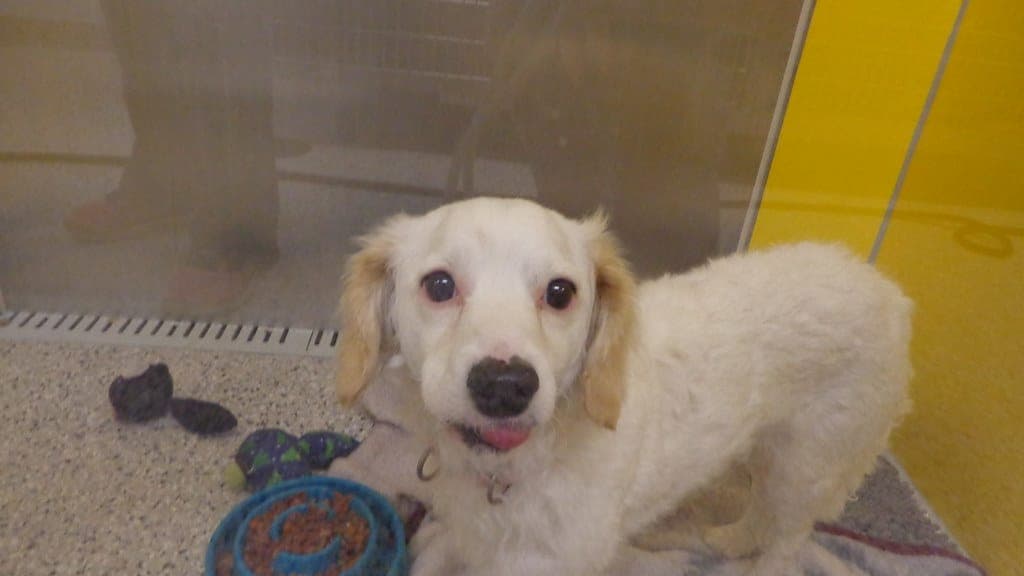
The first days with a rescue dog are about safety and calm, not fun outings. Your dog may seem shut down, frantic, or surprisingly "perfect." All are common.
Typical first-days behavior
- Hiding under furniture or in a crate
- Not eating, or eating very little
- Pacing, panting, or being unable to settle
- Toileting accidents even if "house-trained"
- Following you everywhere, or avoiding you completely
- Quiet, still behavior that is mistaken for calm
That last one is important. A dog who seems very calm in the first days may be shut down rather than relaxed. Learn the signs of stress in dogs so you can tell the difference between true relaxation and quiet worry.
How to handle the first day
- Prepare before pickup. Set up a quiet area with a bed, water, and a crate or pen if your dog is comfortable with one. Put up baby gates and remove hazards.
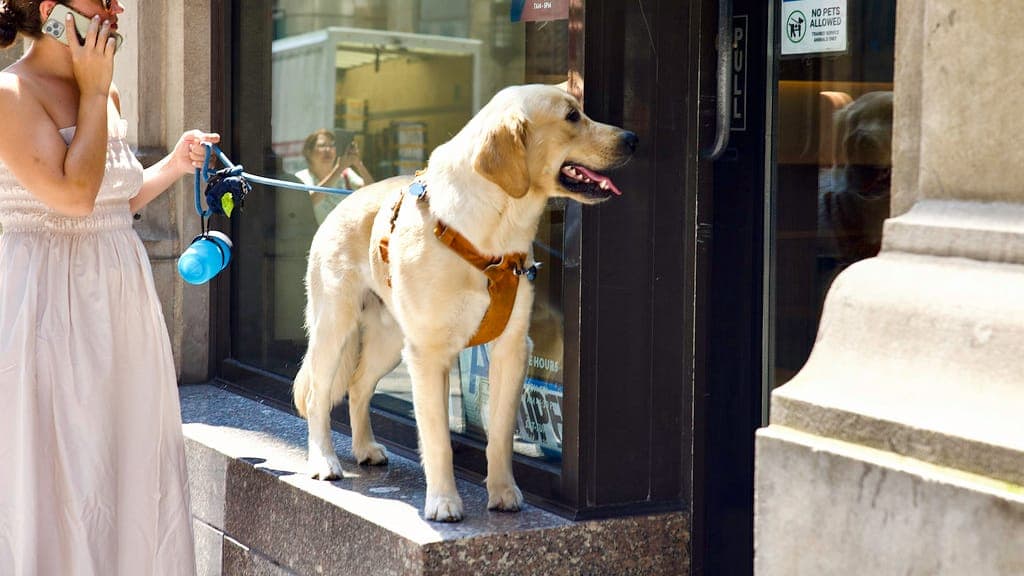
- Use a secure walking setup. A well-fitted harness, an ID tag with your phone number and an updated microchip are essential. Some owners double-clip to a harness and a martingale collar, because newly adopted dogs are a real flight risk.
- Go straight home. Skip the pet store and the friend visits.
- Toilet first. Take her on leash to the toilet area before going inside.
- Let her explore on leash or in one area. Keep the house small at first and expand access as she settles.
- Keep the house quiet. Limit visitors, loud noise, and handling. Let her approach you.
- Offer food and water in a quiet spot. Don't hover while she eats.
- Sleep close but not on top. Many dogs settle better with a crate or bed near a family member's bedroom at night.
Vet check: Occasional low appetite or soft stool from stress is common in the first day or two. Call your vet if your dog hasn't eaten for more than a day or two, or shows vomiting, diarrhea, coughing, lethargy or signs of pain. Schedule a general check-up within the first couple of weeks.
What not to do in the first 3 days
- No dog parks, pet stores, parties or busy streets
- No meeting the whole family and neighborhood
- No forced cuddling, picking up or restraining
- No bath unless truly necessary
- No punishment for accidents or fearful behavior
- No leaving her loose and unsupervised with resident pets
Your first-week checklist
- Quiet resting area set up before arrival
- Secure harness, ID tag and updated microchip details
- Baby gates or pens to limit space at first
- Food, water bowls and the same food the shelter used, if possible
- A consistent daily routine for meals, toileting and walks
- Vet check-up booked
- No visitors, parks or big outings for at least the first few days
- Plan for introducing resident pets slowly
First 3 weeks: learning the routine
As stress hormones settle, your dog starts learning how her new life works: when meals happen, where she toilets, when walks come, and who the people are. This is the core of the rescue dog adjustment period, and it is when her real personality begins to show.
What to focus on
- Predictable routines. Feed, walk and rest at similar times each day.
- Positive reinforcement training. Short, fun sessions teaching name response, a hand target, sit, and settling on a mat.
- Short alone-time practice. Gradually build up comfortable time alone so you don't trigger separation anxiety when normal life resumes.
- Careful introductions. If you have other dogs, introduce them slowly and in neutral settings. The guide on introducing two dogs walks through each step.
- Kids and visitors, slowly. Keep interactions short, supervised and optional for your dog. See dogs and kids for bite-prevention routines.
Expect new behaviors to appear
The "honeymoon period" often ends somewhere in this stage. A dog who seemed quiet may start barking at the window, pulling on leash, guarding a chew or reacting to other dogs. This doesn't mean you made a mistake. It means your dog feels comfortable enough to show you who she is, which gives you useful information. If you notice stiffening, growling or freezing near food or toys, read up on resource guarding and manage it from day one.
First 3 months: feeling at home
By around three months, many dogs trust their routine, know their people and relax more deeply. You may see sleeping on their back, playful bursts, bringing you toys, or greeting you with a loose, wiggly body.
This is the time to gradually widen your dog's world with careful, positive experiences. The guide on how to socialize an adult or rescue dog explains how to build confidence without overwhelming her.
Pro tip: Keep a short daily journal of your dog's behavior, sleep, appetite and any worries. Progress with rescue dogs can feel invisible day to day, but looking back over a month usually shows real change.
Decompression walks
Decompression walks are one of the most useful tools for a new dog. They give her exercise and mental enrichment without the pressure of busy streets, greetings or strict heelwork.
How to do a decompression walk
- Choose a quiet, natural place. A field, quiet trail, beach out of season or empty sports ground at off-peak times.
- Use a harness and long line. A 15 to 30 foot line lets her explore while staying safe. Never attach a long line to a collar.
- Let her lead the pace. Follow her nose, stop when she sniffs, and avoid a fixed route.
- Skip the training drills. Reward check-ins, but let this be her time.
- Avoid greetings. Move away from other dogs and people to keep it low-pressure.
- Keep it short at first. Even 15 to 20 minutes of sniffing can be tiring and calming.
Sniffing isn't just a pleasant distraction. Research by Duranton and Horowitz found that dogs who took part in nosework showed a more optimistic outlook in a cognitive bias test than dogs doing heelwork. Letting your dog use her nose is a powerful, low-cost way to support her emotional state.
Reading your rescue dog's body language
You don't know your new dog's "normal" yet, so careful observation pays off. Watch for:
- Settling signs: soft eyes, loose mouth, sleeping deeply, stretching, playing, approaching you voluntarily.
- Stress signs: lip licking, yawning, panting when not hot, pacing, tucked tail, ears back, whale eye.
- Fear signs: cowering, hiding, freezing, trembling or trying to escape. The guide to scared dog body language covers these in detail.
Turid Rugaas described many of these quieter signals as calming signals. When your dog uses them, she's asking for space or a slower pace. Respecting that request builds trust quickly.
Signs your rescue dog is adjusting well
Adjustment shows up as small, everyday changes that are easy to miss. Tick these off over weeks, not days:
- Eats at mealtimes without needing you to leave the room
- Takes treats outdoors, a sign she is calm enough to think about food in new places
- Toilets reliably in the right place, with fewer accidents
- Sleeps deeply and stretches out instead of curling tight near the wall or door
- Bounces back faster after a startle, such as a dropped pan or a knock at the door
- Approaches you for contact, then wanders off and settles on her own
- Responds to her name and shows interest in short training games
- Explores new rooms or routes with curiosity rather than scanning and freezing
- Rests while you move around the house, without shadowing every step
Recovery time is the most useful measure of all. A dog who still startles at the doorbell but relaxes within a minute, where it once took twenty, is making real progress. Watch how quickly she copes, not whether she ever reacts. Play is an especially good sign, since it tends to appear only when a dog feels safe.
When decompression takes longer
Some dogs need far longer than three months. Common reasons include:
- A history of little or no socialization, including dogs from hoarding or large-scale breeding situations
- Long shelter stays or multiple rehomings
- Medical problems or pain
- Strongly fearful temperaments
- Former street dogs adjusting to indoor life
Go at your dog's pace. Avoid "flooding," which means forcing a scared dog into the thing she fears until she stops reacting. It may look like progress but often increases fear. Desensitization and counter-conditioning, guided by a qualified professional, work better and are kinder.
Safety note: If your new dog growls, snaps, bites, guards resources intensely, panics when left alone, or shows severe fear, get help early. A veterinary behaviorist or certified behavior consultant can rule out medical causes and build a safe plan. Never use punishment, intimidation, or shock or prong collars.
Common mistakes new adopters make
Most setbacks happen after the quiet first days, once a dog seems settled and life speeds back up:
- Doing too much once she seems fine. A good first week tempts people into a weekend trip, a barbecue and a pet store visit at once. Add one new experience at a time, with quiet days between.
- Inviting visitors and other dogs too early. Keep early guests few, calm and instructed to ignore her. Off-leash parks can wait, as explained below.
- Punishing growls. A growl is information. Scolding it doesn't change how she feels; it only teaches her to skip the warning next time. Note what triggered it, give her space and ask a professional for help if it repeats.
- Leaving food down all day. Free-feeding makes it hard to notice appetite changes, complicates house training and, in homes with other pets, invites conflict over bowls. Set mealtimes and feed animals in separate spaces.
- Changing the routine every day. Shifting walk times and different rules from different family members keep stress high. Agree on simple house rules and a steady daily rhythm.
- Giving too much freedom too fast. Full house access and off-leash time before you know her recall or her habits often lead to accidents, chewing or escapes. Widen her world as she earns your trust.
- Expecting a "grateful" dog. Your dog doesn't know she has been rescued. Fear, avoidance or indifference in the early months are not ingratitude, and assuming every fear means past abuse can also mislead you, since genetics and limited early socialization are common causes too.
- Jumping from constant company to long absences. Returning to full workdays straight after a week at home can trigger panic in a dog who has never practiced being alone. Keep building on the short alone-time sessions from her first weeks before your schedule changes.
When is a rescue dog ready for dog parks and busy places?
Wait until you know your dog well: her body language, her recall, how she responds to other dogs, and whether she enjoys their company. Many rescue dogs are happier with a few known dog friends than with crowds of strangers. Before you consider an off-leash park, read whether the dog park is safe for your dog's temperament.
What to do next
Give your new dog the gift of a boring first week: quiet days, short sniffy walks, predictable meals and plenty of rest. Watch her body language, keep notes, and expand her world gradually over the following weeks. Use the 3-3-3 rule as a guide for what to expect, not a deadline. If she needs longer, give her longer. That patience is what turns a stressed rescue into a confident, settled companion.
Frequently asked questions
What is the 3-3-3 rule for rescue dogs?
The 3-3-3 rule is a guideline for a rescue dog's adjustment period. In the first 3 days a dog often feels overwhelmed and may hide or not eat. By 3 weeks she starts learning the routine and showing more personality. By around 3 months many dogs feel at home and bonded. Every dog's timeline is different.
How long does it take a rescue dog to adjust?
Many rescue dogs settle noticeably within a few weeks and feel at home within about three months. Dogs with a history of fear, limited socialization, long shelter stays, or medical problems may take six months or more. Progress is rarely a straight line, so judge it over weeks, not days.
Should I take my rescue dog to the dog park right away?
No. A dog park is a busy, unpredictable environment and a new rescue dog has not yet learned to trust you, respond to your recall, or feel safe in her surroundings. Wait until you know her body language and social skills well, and consider calm one-on-one meetings with known, friendly dogs first.
My new rescue dog won't eat. Is that normal?
It is common for a newly adopted dog to eat little for the first day or so because of stress. Offer meals in a quiet place and leave her alone while she eats. If she refuses food for more than a day or two, or has vomiting, diarrhea, or lethargy, contact your vet promptly.
What is a decompression walk?
A decompression walk is a slow, low-pressure walk in a quiet, natural place where your dog can sniff and explore freely, usually on a long line attached to a harness. There are no greetings, no training drills, and no set route. The goal is to let your dog lower stress, use her nose, and enjoy the outdoors at her own pace.
What if my rescue dog isn't improving after 3 months?
First, check whether she is truly stuck. Compare notes or videos from her first weeks, because slow progress is easy to miss. Then book a vet visit to rule out pain or illness. If fear, reactivity or distress alone is still limiting her daily life, contact a veterinary behaviorist or certified behavior consultant. Some dogs need six to twelve months or longer, and a tailored plan, sometimes with medication, can help.
Sources & further reading
- Hennessy, M. B., Davis, H. N., Williams, M. T., Mellott, C., & Douglas, C. W. (1997). Plasma cortisol levels of dogs at a county animal shelter. Physiology & Behavior, 62(3), 485-490.
- Protopopova, A. (2016). Effects of sheltering on physiology, immune function, behavior, and the welfare of dogs. Physiology & Behavior, 159, 95-103.
- Gunter, L. M., Feuerbacher, E. N., Gilchrist, R. J., & Wynne, C. D. L. (2019). Evaluating the effects of a temporary fostering program on shelter dog welfare. PeerJ, 7, e6620.
- Duranton, C., & Horowitz, A. (2019). Let me sniff! Nosework induces positive judgment bias in pet dogs. Applied Animal Behaviour Science, 211, 61-66.
- Rugaas, T. (2006). On Talking Terms With Dogs: Calming Signals (2nd ed.). Dogwise Publishing.
This guide is for education only and does not replace an in-person assessment. If your dog's behavior changes suddenly, or you are worried about bites or aggression, speak to your veterinarian or a qualified behavior professional. See our disclaimer.