Socialization · Complete guide
Dog Socialization: How to Help Your Dog Feel Safe in the World
Socialization isn't about meeting every dog in town. Learn how to build a confident dog at any age with calm, positive, well-paced experiences.

Key takeaways
- Dog socialization means building positive, safe associations with people, animals, places, sounds and handling, not simply exposing a dog to as much as possible.
- The most sensitive period for socialization runs from roughly 3 to 12-14 weeks of age, but adult and rescue dogs can still gain confidence with patient, well-paced work.
- The quality of each experience matters more than the quantity, so watch your dog's body language and end sessions while your dog is still relaxed.
- Choice, distance and food are your best tools; forcing interactions or 'flooding' a scared dog usually makes fear worse.
- Persistent fear, reactivity or aggression is a signal to involve a veterinarian and a qualified behavior professional rather than pushing on alone.
Jump to a section
- What dog socialization really means (and what it isn't)
- Why socialization matters for behavior and welfare
- How to socialize a dog: the core principles
- Reading your dog's body language during socialization
- Puppies: making the most of the socialization window
- Adults and rescues: socializing later in life
- People and dogs: greetings, handling and children
- Dog-dog play: what healthy interaction looks like
- Dog socialization classes: what to look for
- Dog parks and socialization: helpful or harmful?
- Dog socialization tips for everyday life
- Common socialization mistakes to avoid
- When socialization is not enough: getting help
- Your next steps in socialization
Dog socialization is the process of helping your dog build positive, safe experiences with the people, animals, places, sounds and handling they will meet in everyday life, so the world feels predictable instead of threatening. It is easiest in early puppyhood, but dogs of any age can gain confidence through calm, well-paced exposure paired with good things.
What most owners get wrong is the "how." Socialization is not the same as meeting as many dogs as possible, and a single frightening experience can undo weeks of good work. The full picture involves timing, reading your dog's body language in the moment, and knowing when to step back, which is what this guide covers from first puppy weeks to adult rescues.
What dog socialization really means (and what it isn't)
Socialization is learning, not exposure. Each time your dog encounters something new, their brain files it under "safe," "neutral" or "dangerous." The goal is to stack up enough safe and neutral files that your dog can walk through a busy street, visit the vet, or watch a toddler run past without their stress system firing.
That means a well-socialized dog is not necessarily one who loves everyone. It is a dog who can cope: who can be curious about a delivery driver, ignore a barking dog behind a fence, and recover quickly from a startle. Neutrality is a great result.
It also means socialization covers far more than other dogs. Think in categories:
- People: different ages, heights, skin tones, voices, clothing, hats, beards, uniforms, wheelchairs and walking aids.
- Animals: calm adult dogs, puppies, cats, livestock or wildlife common where you live.
- Environments: cars, elevators, stairs, slippery floors, busy sidewalks, cafés, the vet clinic.
- Sounds: traffic, vacuum cleaners, doorbells, thunder, children shrieking.
- Handling: paws, ears, mouth, collar grabs, grooming, nail trims, being lifted.
Myth: "A dog that is not social with other dogs was not socialized properly." Genetics, health and adolescence all shape sociability, and many perfectly well-adjusted adult dogs simply prefer a small circle of familiar friends.
Why socialization matters for behavior and welfare
Fear is at the root of many of the problems owners struggle with most, from barking at visitors to lunging on leash. A dog who never learned that strangers or unfamiliar dogs are safe will often try to make them go away, and that can escalate to growling, snapping or biting.
Research backs this up. In a study of owners' dogs, Appleby and colleagues found that dogs with limited experience of varied, busy environments in their first six months were more likely to show avoidance and aggression later in life. The American Veterinary Society of Animal Behavior (AVSAB) goes further, noting that behavior problems are a major threat to the human-dog bond and a leading reason young dogs are given up or euthanized.
Socialization also matters for your dog's day-to-day welfare. A dog who finds the world frightening spends a lot of time in a stressed state, which affects sleep, appetite and health. Helping your dog feel safe is not just about convenience; it is about the quality of their life.
How to socialize a dog: the core principles
Whatever your dog's age, the same principles apply. Use these steps every time you introduce something new:
- Start at a distance your dog can handle. If your dog can still eat, sniff and respond to their name, you are below threshold. If they freeze, stare or refuse food, you are too close.
- Pair the new thing with something great. The stranger appears, the chicken appears. This is classical counter-conditioning, and it changes how your dog feels, not just what they do.
- Let your dog choose. Allow approach and retreat freely. Never drag, lure or push a nervous dog toward something they are unsure of.
- Keep it short. Two to five minutes of success beats an hour of struggling. Quit while your dog is still relaxed.
- Increase difficulty gradually. Move a little closer, add a little more noise, or add a little more movement, one variable at a time. This is systematic desensitization.
- Build in recovery. After a big outing, give your dog quiet time, sniffing and sleep. Stress hormones take time to settle.
- Repeat in many settings. Dogs do not generalize well. A dog fine with men in your living room may still worry about men in the park.
Pro tip: Carry high-value food on every walk. Socialization opportunities pop up unexpectedly, and being ready to reward a calm look at a skateboard is worth more than any planned session.
This reward-based approach is the one recommended in AVSAB's position statement on humane dog training. Methods that rely on fear or pain, such as leash pops, shock or prong collars, or "showing who's boss," increase the risk of fear and aggression and have no place in socialization.
Reading your dog's body language during socialization
You cannot socialize well without reading your dog, because the same event can be fun for one dog and terrifying for another. Learning the basics of dog body language is the single most useful skill for any socialization plan.
Watch the whole dog in context rather than a single signal. A wagging tail on a stiff body means something very different from a wag with loose, wiggly hips. Subtle calming signals such as turning the head away, sniffing the ground or slowing down are often your earliest cue that your dog needs more space.
| What you see | What it usually means | What to do |
|---|---|---|
| Loose body, soft eyes, relaxed mouth, takes food gently | Comfortable and learning | Keep going at this level |
| Sniffing the ground, lip licking, yawning, looking away | Mild unease or conflict | Add distance, slow down |
| Ears back, tail low, weight shifted back, slow to take food | Worried | End the exposure calmly and reset |
| Freezing, hard stare, whale eye, tucked tail, refusing food | Over threshold, fearful | Leave the situation now; review your plan |
| Growling, lip lifting, lunging, snapping | Strong fear or defensive aggression | Create space safely; consult a professional |
For a deeper list of early warning signs, see our guide to signs of stress in dogs, and keep the printable body language chart on the fridge so everyone in the household reads the dog the same way.
Puppies: making the most of the socialization window
The most powerful socialization happens early. Classic work by Scott and Fuller, and by Freedman and colleagues, identified a sensitive period from roughly 3 to 12-14 weeks of age when puppies approach new things with curiosity more readily than fear. After this window, novelty is more likely to trigger caution.
Because most puppies go home at around 8 weeks, you only have a few short weeks to make an impression. Our detailed guide to puppy socialization and the critical window includes a week-by-week checklist and explains why AVSAB recommends that socialization start before vaccinations are complete, with sensible precautions.
During this phase, aim for many short, positive experiences every day: new surfaces, gentle handling, calm adult dogs known to be healthy and vaccinated, and people of all kinds. Watch your puppy's signals closely; our guide to puppy body language shows the difference between curious exploration and quiet overwhelm.
Socialization also shapes manners with other dogs and people. Mouthy play is normal, and puppies learn bite inhibition partly through play, so read up on puppy biting to handle it kindly. And keep going after 14 weeks: adolescent dogs can regress, and continued positive exposure through the first year protects what you built.
Vet check: Talk to your veterinarian about vaccination timing and local disease risks before visiting public places. You can still socialize safely before shots are complete by carrying your puppy, using clean private spaces and choosing well-run puppy classes.
Adults and rescues: socializing later in life
Adult and rescue dogs can and do improve, but the approach changes. Instead of broad, exploratory exposure, you work on specific triggers, at a slower pace, with more attention to the dog's history.
Socializing an adult or rescue dog
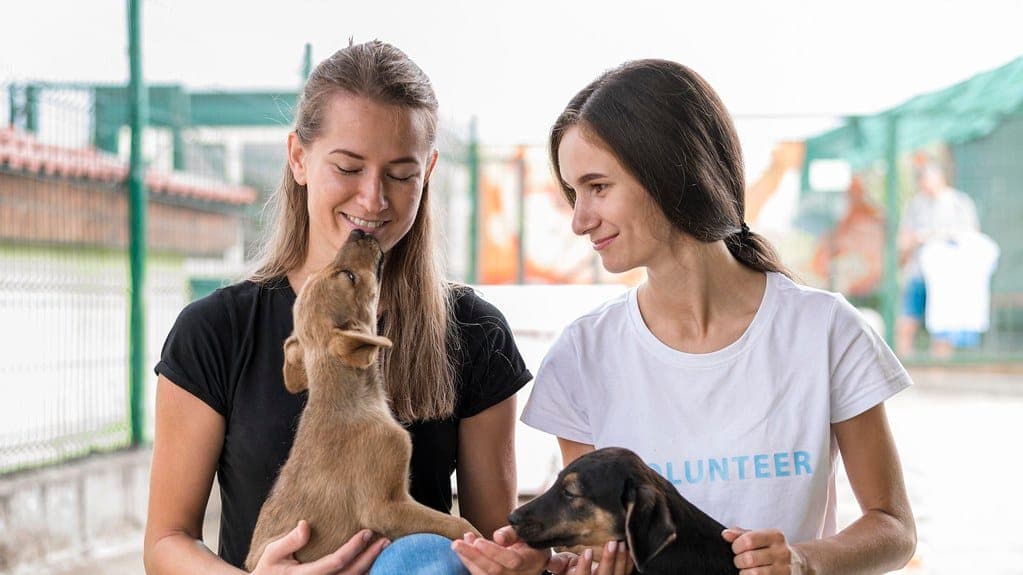
Some adult dogs are under-socialized because they grew up in isolation, in a puppy mill or on the street. Others had frightening experiences that taught them a particular trigger is dangerous. Our guide on how to socialize an adult dog walks through building a trigger list, setting up desensitization sessions and recognizing when to call in help.
The key mindset shift: success may not look like a dog who greets everyone. It may look like a dog who notices a stranger, looks back at you for a treat and carries on walking. That is a huge win.
Giving a new rescue time to decompress
A newly adopted dog is coping with a total change of environment, routine and people. Pushing socialization in the first days can overwhelm them. The popular 3-3-3 rule for rescue dog decompression offers a rough timeline of what to expect in the first three days, three weeks and three months, and explains why quiet routines and sniffy walks come before outings and visitors.
Introducing your dog to another dog
Bringing home a second dog, or introducing your dog to a friend's dog, is one of the highest-stakes socialization moments. A rushed, face-to-face greeting on tight leashes can set the relationship off on the wrong paw. Follow our step-by-step guide to introducing two dogs safely, which covers parallel walks, neutral ground and how to manage the first weeks at home.
People and dogs: greetings, handling and children
Much of a dog's social life involves people, and many bites happen during everyday interactions that seem friendly to humans: a stranger leaning over to pat the head, or a child hugging the family dog.
Teaching people how to greet a dog
Dogs find a slow, sideways approach with an invitation to sniff far less threatening than a direct, looming one. Our guide on how to greet a dog explains how to approach, where most dogs prefer to be touched and the simple "consent test" that lets the dog tell you whether they want more.
You can use this when guests visit. Ask visitors to ignore your dog at first, let your dog approach in their own time, and toss treats rather than reaching. This protects shy dogs from feeling cornered and teaches them that visitors predict good things.
Dogs and children
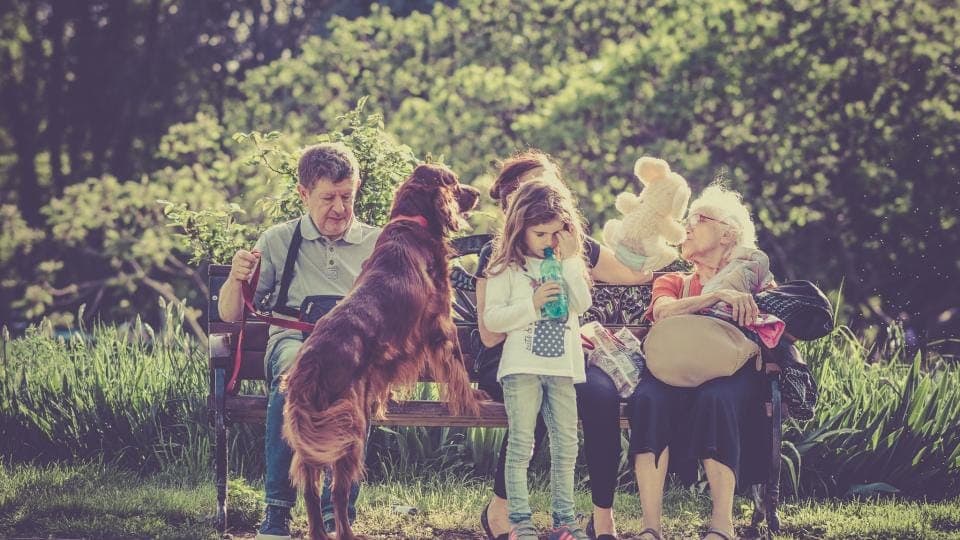
Children are a special category because they move fast, make high-pitched noises and often want to hug. Most bites to children involve a familiar dog, often the family's own. Our dog bite prevention guide for families covers teaching kids to respect a dog's space, setting up safe zones at home, and spotting the signs a dog is uncomfortable with a child.
Safety note: Always actively supervise dogs and young children together, and separate them with a gate or closed door when you cannot watch closely. No dog, however gentle, should be expected to tolerate being climbed on, hugged or cornered.
Dog-dog play: what healthy interaction looks like
Play is one of the joys of a social dog's life, but it can also look alarming. Healthy dog play includes growling, mouthing, chasing and wrestling, punctuated by play bows, bouncy movement and frequent pauses. What matters is balance: dogs take turns chasing and being chased, the stronger dog self-handicaps, and both keep coming back for more.
Problems arise when play becomes one-sided, when one dog repeatedly tries to escape, or when body language stiffens. Our guide to telling whether your dogs are playing or fighting breaks down the signals and gives you a simple "consent test" to check that both dogs are enjoying themselves.
If you are unsure, interrupt calmly. Call your dog away, reward them, and let them return only if both dogs want to.
Dog socialization classes: what to look for
Dog socialization classes can be excellent, especially for puppies. A 2015 review by Howell and colleagues concluded that early socialization practices, including well-run puppy classes, are associated with better behavioral outcomes in adult dogs. AVSAB likewise recommends that puppies attend classes early in the socialization window.
Not every class is equal. Use this checklist when choosing one:
- Small groups, ideally grouped by age and size
- Trainers using reward-based methods only, with credentials such as CPDT-KA or equivalent
- Short, supervised play sessions with frequent breaks, not a free-for-all
- Separate space or barriers for shy or overwhelmed dogs
- Handling exercises, novel objects and sounds as well as dog play
- Clean, easily disinfected floors and clear vaccination and health requirements
- Coaching for owners on reading body language
For adult dogs, look for "growl" or "reactive dog" classes with visual barriers, or private sessions. An adult dog who is anxious around other dogs is rarely helped by being placed in an open group.
Dog parks and socialization: helpful or harmful?
Dog parks can be fun for confident, dog-social adults, but they are not a reliable place to socialize a puppy or a nervous dog. You have no control over which dogs are there, how they play, or their health status. One bad experience with a rough or bullying dog can create a lasting fear.
If you do want to try the park, start by finding dog parks near you that offer separate small-dog or quiet areas, go at off-peak times, and use our step-by-step guide to a first dog park visit. It is also worth reading whether dog parks are safe for your particular dog before you go, and learning the dog park body language that signals trouble is brewing.
Pro tip: Spend your first few visits outside the fence. Let your dog watch from a comfortable distance and reward calm looking. This tells you a lot about whether going in is a good idea.
Dog socialization tips for everyday life
You do not need special outings to socialize your dog. Most of the work happens on ordinary walks and around the house.
- Practice "watch and reward." Sit on a bench near a busy area and reward your dog every time they calmly notice something new.
- Use sniff breaks. Sniffing lowers arousal and helps dogs process new places. Let your dog explore at their own pace.
- Rotate locations. A pet store, a hardware store that allows dogs, a quiet café patio and a parking lot each offer different sights and sounds.
- Normalize handling. Touch paws, ears and collar briefly and pair it with treats, so vet visits and grooming are less stressful.
- Recruit calm helpers. Friends who will follow instructions, ignore your dog at first and toss treats are worth their weight in gold.
- Track progress. Keep a short log of what you tried, how your dog responded and what to try next.
Common socialization mistakes to avoid
Even well-meaning owners can accidentally make things harder. Watch for these traps:
- Flooding. Forcing a dog to stay in an overwhelming situation "until they get used to it" usually deepens fear. The dog may go still, but that is often shutdown, not relaxation.
- Letting everyone pet your dog. Your dog is allowed to say no. Advocate for them, and teach people to wait for an invitation.
- Trigger stacking. A dog who copes with the vet, then a busy street, then a visitor in a single day may finally snap at the last straw. Space out challenges.
- Assuming tolerance means enjoyment. A dog who stands still while being hugged may be enduring it. Look for fearful dog body language such as a tucked tail, ears back and whale eye.
- Dominance thinking. Labeling a worried dog as "dominant" leads to confrontational handling that backfires. The alpha dog myth has been abandoned by modern behavior science.
Myth: "He needs to be put in his place by other dogs." Letting other dogs "correct" your dog, or allowing a dog to be overwhelmed, teaches fear rather than manners.
When socialization is not enough: getting help
Socialization prevents a great deal of trouble, but it is not a cure-all. If your dog shows persistent fear, lunges and barks on leash, or has growled, snapped or bitten, you are moving out of everyday socialization and into behavior modification. Our dog behavior problems guide is the best starting point, and our article on leash reactivity covers one of the most common issues in under-socialized dogs.
Start with a veterinary check. Pain, thyroid problems, poor vision and other medical issues can all make a dog more fearful or irritable, and a sudden change in behavior should always be discussed with your vet. Then look for a qualified professional; our guide to choosing a trainer or behaviorist explains the difference between a CPDT-KA, a certified behavior consultant (CDBC or CAAB) and a veterinary behaviorist.
Safety note: If your dog has bitten or you are worried they might, use management such as gates, leashes and avoiding triggers right away, and seek professional help. Do not attempt to "socialize through" aggression on your own.
Your next steps in socialization
Dog socialization is a lifelong conversation between your dog and the world, and you are the translator. Keep experiences short, positive and chosen by your dog. Read their body language, protect them from being overwhelmed, and celebrate small wins.
Start where your dog is right now:
- Got a young puppy? Go straight to the puppy socialization checklist.
- Adopted an adult or rescue? Begin with decompression, then move on to socializing an adult dog.
- Adding a second dog? Plan your dog introductions before the big day.
- Have visitors or kids around? Share our guides on greeting a dog and dogs and kids.
- Worried about rough play? Learn to tell play from fighting.
Whatever stage you are at, a calm, confident dog is built one small, good experience at a time.
Frequently asked questions
How do you socialize a dog?
Expose your dog to new people, dogs, places, sounds and handling at a distance and intensity they can cope with, and pair each experience with something they love, such as food or play. Let your dog choose whether to approach, keep sessions short, and stop before signs of stress appear. Repeat often in small doses rather than overwhelming them in one big outing.
Is it too late to socialize my dog?
No. The easiest learning window closes around 12 to 14 weeks, but adult and rescue dogs can still become more comfortable. Progress tends to be slower and the goal shifts from broad exposure to building confidence around specific triggers using desensitization and counter-conditioning. Dogs with strong fear or aggression should be assessed by a veterinarian and a qualified behavior professional.
Are dog socialization classes worth it?
Good classes are well worth it, especially for puppies. A well-run class offers controlled play with similar-aged dogs, handling practice and coaching on body language. Look for small groups, trainers who use reward-based methods, separate areas for shy puppies, and clear hygiene and vaccination rules. Avoid classes that allow free-for-all wrestling or use corrections.
Do dogs need to play with other dogs to be well socialized?
Not necessarily. A well-socialized dog is calm and comfortable in everyday situations, which may include politely ignoring other dogs. Many adult dogs prefer a few familiar friends to groups of strangers. Neutrality around unfamiliar dogs is a perfectly healthy outcome and is often more useful in daily life than a desire to greet every dog.
Can you over-socialize a dog?
Socialization backfires when it turns into flooding: too many people, dogs or noisy places at once, or keeping a dog in a situation she wants to leave. Quality matters more than quantity. A few calm, positive experiences watched from a comfortable distance teach more than a crowded dog park. If you see stress signals, end the session and make the next one easier.
Sources & further reading
- American Veterinary Society of Animal Behavior. (2008). Position Statement on Puppy Socialization. AVSAB.
- American Veterinary Society of Animal Behavior. (2021). Position Statement on Humane Dog Training. AVSAB.
- Scott, J. P., & Fuller, J. L. (1965). Genetics and the Social Behavior of the Dog. University of Chicago Press.
- Freedman, D. G., King, J. A., & Elliot, O. (1961). Critical period in the social development of dogs. Science, 133(3457), 1016-1017.
- Appleby, D. L., Bradshaw, J. W. S., & Casey, R. A. (2002). Relationship between aggressive and avoidance behaviour by dogs and their experience in the first six months of life. Veterinary Record, 150(14), 434-438.
- Howell, T. J., King, T., & Bennett, P. C. (2015). Puppy parties and beyond: the role of early age socialization practices on adult dog behavior. Veterinary Medicine: Research and Reports, 6, 143-153.
- Rugaas, T. (2006). On Talking Terms With Dogs: Calming Signals (2nd ed.). Dogwise Publishing.
This guide is for education only and does not replace an in-person assessment. If your dog's behavior changes suddenly, or you are worried about bites or aggression, speak to your veterinarian or a qualified behavior professional. See our disclaimer.