Dog Body Language
Read ears, eyes, tail, posture and sounds like a behaviour pro.
19 guides →
Evidence-based · Humane · Practical
Your dog is talking all day - with ears, eyes, tail, posture and voice. Learn to read every signal, understand why dogs do what they do, and solve behavior problems the kind way.

Quick read
A loose, wiggly body and soft eyes beat a wagging tail as a sign of a happy dog.
Explore by topic
Read ears, eyes, tail, posture and sounds like a behaviour pro.
19 guides →
Why dogs do what they do - explained by science, not myths.
19 guides →
Humane, evidence-based fixes for the problems owners struggle with most.
12 guides →
Raise a confident, social dog - from first puppy weeks to rescue adults.
7 guides →
Find dog parks near you - and make every visit safe and fun.
5 guides →
Take the 12-question body language quiz and get instant explanations.
Take the quiz →
Dog body language 101
Dogs rarely “say” anything with one body part. But these six signals are the fastest way to start reading the whole dog - and to spot discomfort before it becomes a growl or a bite.
Read the complete dog body language guide →Most read
Body parts
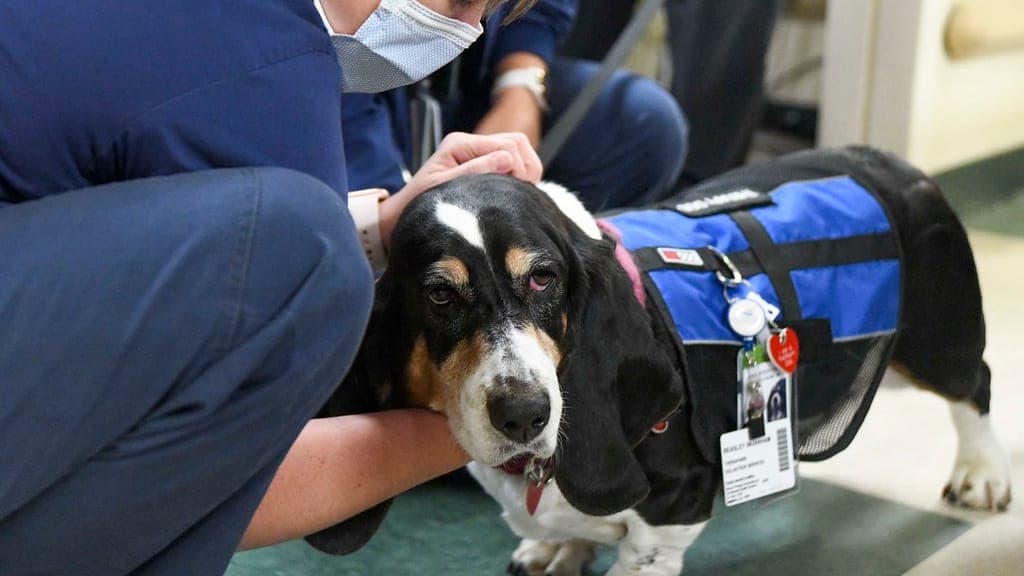
A wagging tail doesn't always mean a happy dog. Learn how height, speed, stiffness and even wag direction change the message.
9 min read

Signals & emotions
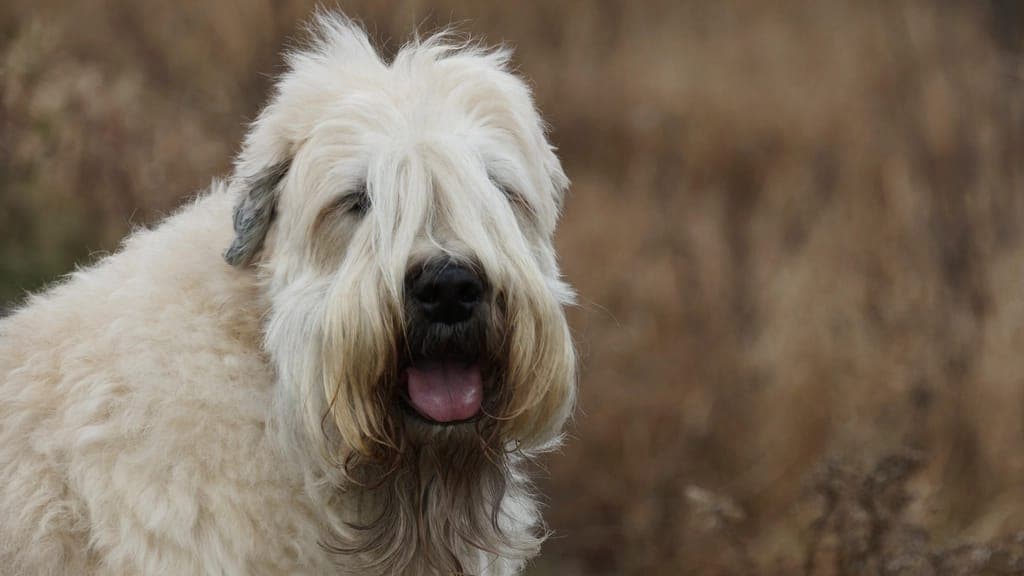
From whale eye and stress panting to pacing and trembling, learn the body language that says your dog is struggling, and what to do about it.
13 min read
Signals & emotions
Most dogs warn before they bite. Learn the ladder of aggression, the freeze, the growl and the snarl, and how to respond safely when you see them.
8 min read

Affection & attachment
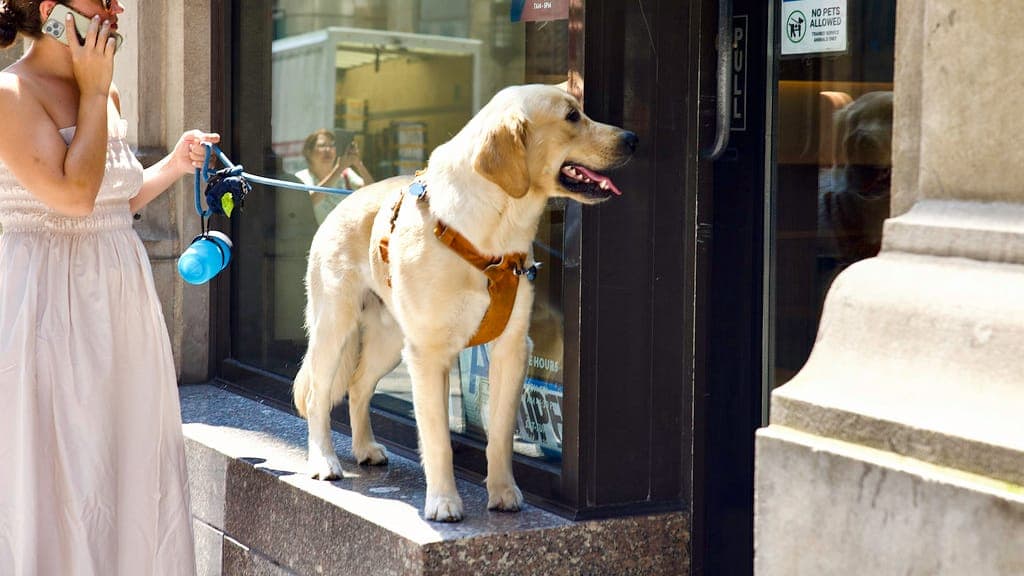
Love, habit, breed or anxiety? Learn why your dog shadows you from room to room and how to tell healthy attachment from a dog who can't cope alone.
7 min read
Anxiety & fear
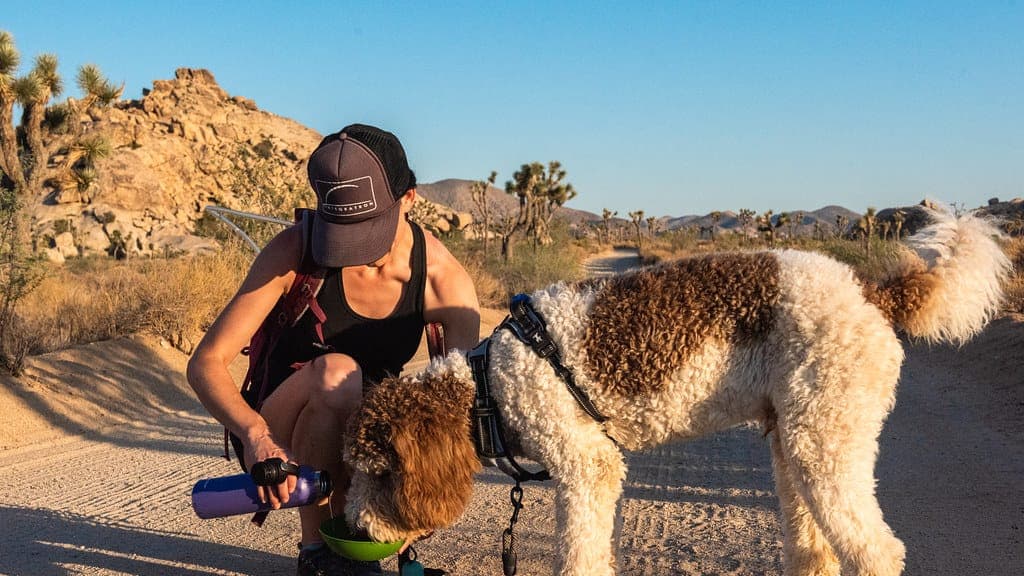
How to recognize separation anxiety in dogs, why it happens, and a gentle, gradual training plan that teaches your dog to feel safe home alone.
10 min read
Dog-dog play
Growls, neck bites and wrestling can be perfectly healthy play. Learn the signals that separate a good game from a fight brewing.
9 min read
Dog park finder
Search off-leash and fenced dog parks by city, ZIP code or your location - then learn the etiquette and body language that keep every visit safe and fun.
Dog body language is the system of visual, vocal and scent signals dogs use to communicate emotions and intentions: ear and tail position, eye shape, mouth tension, posture, weight distribution, movement and sounds. Reading several signals together, in context, tells you whether a dog feels relaxed, playful, alert, anxious, fearful or threatened.
Start by learning your dog's relaxed baseline at home, then study one body area at a time - ears, eyes, mouth, tail, posture. Use our printable chart as a reference, watch for clusters of signals rather than single cues, and notice what changes right before your dog moves away, freezes or barks.
Body language is how dogs communicate in the moment; behavior is the bigger picture of what dogs do and why - licking, following, digging, zoomies, barking and problem behaviors like separation anxiety or reactivity. Understanding body language is the foundation for understanding and changing behavior humanely.