Anxiety & fear
Dog Separation Anxiety: Signs, Causes & a Step-by-Step Training Plan
How to recognize separation anxiety in dogs, why it happens, and a gentle, gradual training plan that teaches your dog to feel safe home alone.

Key takeaways
- Separation anxiety is a panic response to being left alone, not spite, boredom or a lack of discipline.
- Barking, howling, destruction at exits, house soiling, drooling and escape attempts that happen only when you are gone are the classic signs.
- Training works by building alone time in tiny steps that stay below the point where your dog starts to worry.
- Management is essential: during training, your dog should not be left alone longer than they can comfortably cope.
- Moderate to severe cases often benefit from a veterinary behaviorist and, where your vet advises, anti-anxiety medication alongside training.
Jump to a section
- What is separation anxiety in dogs?
- Signs of separation anxiety in dogs
- Is it separation anxiety or something else?
- What causes separation anxiety
- Dog barking when left alone
- Dog destroys house when left alone
- Separation anxiety training: a step-by-step plan
- Management while you train
- When to involve a professional and your vet
- How to prevent separation anxiety
- What to do next
Dog separation anxiety is a panic response that happens when a dog is left alone or separated from a particular person. Typical signs include nonstop barking or howling, destruction around doors and windows, house soiling, drooling and escape attempts, all happening only while you are away. It is fear, not disobedience.
The tricky part is that the same chewed door frame or noisy afternoon can have other causes, from boredom to noise fears. Knowing which one you are dealing with changes the plan completely. Below, you will learn how to recognize true separation anxiety, what causes it, and how to build your dog's confidence one small absence at a time. It is one of the most common dog behavior problems, and it is very treatable.
What is separation anxiety in dogs?
Separation anxiety, often called separation-related distress, describes a dog who becomes highly distressed when isolated. Some dogs panic when their specific person leaves, even if other people are home. Others, sometimes described as having isolation distress, cope as long as any human or animal is present.
What both share is a genuine emotional state, much like a panic attack. Your dog is not "punishing" you for leaving. The behaviors you come home to are the side effects of a frightened animal trying to cope, reunite with you or escape.
A dog who follows you everywhere does not automatically have separation anxiety. Many velcro dogs are perfectly calm alone. The key question is what happens after the door closes.
Signs of separation anxiety in dogs
Separation anxiety signs cluster around departures and absences. Use this checklist and note which ones apply only when your dog is alone:
- Barking, howling or whining that starts soon after you leave and continues
- Scratching, chewing or digging at doors, door frames, windows or crates
- Urinating or defecating indoors in an otherwise house-trained dog
- Drooling, heavy panting or wet fur around the mouth and chest
- Pacing in fixed patterns or circling
- Escape attempts, sometimes causing broken teeth or torn nails
- Refusing food or long-lasting chews while alone
- Growing restless, trembling or hiding as you pick up keys or put on shoes
- An over-the-top greeting when you return
Many of these overlap with general signs of stress in dogs, such as lip licking, yawning, panting and pacing. The difference is timing: in separation anxiety, they spike around your departures.
Pro tip: Film the first 30 minutes after you leave. A laptop or a cheap pet camera will show you whether your dog settles within a few minutes or becomes more distressed over time. That footage is also invaluable for your vet or behavior professional.
Is it separation anxiety or something else?
Several problems can look like separation anxiety. This table helps you sort them out.
| What you see | Separation anxiety | Other likely causes |
|---|---|---|
| Destruction | Focused on exits, starts soon after you leave | Boredom, teething or play: random objects, often later in the absence |
| Barking | Continuous, distressed, often with howling | Alert barking at passersby, triggered by outside sounds |
| House soiling | Happens even after a recent toilet trip | Incomplete house training, urinary or digestive illness |
| Panic and hiding | Linked to your departure | Noise phobia: linked to storms, fireworks or construction |
| Night pacing or vocalizing | Linked to being separated from you | Pain or canine cognitive dysfunction in older dogs |
If the timing points to storms or loud noises, our guide to fireworks and noise anxiety may fit better. In senior dogs, new distress when alone can be linked to age-related cognitive changes.
Vet check: House soiling, sudden onset in an adult dog, or distress that comes with other changes in appetite, sleep or mobility warrants a veterinary exam. Pain and medical conditions can increase anxiety and lower a dog's ability to cope.
What causes separation anxiety
There is rarely a single cause. Common contributing factors include:
- Genetics and temperament. Some dogs are simply more prone to anxiety.
- Lack of alone-time practice. Puppies and new dogs who are never left alone in small doses miss the chance to learn that absences are safe.
- Sudden changes in routine. Going back to the office after a long period at home is a classic trigger.
- Rehoming and shelter stays. Dogs who have lost a home may be more sensitive to separation. Read more about helping a rescue dog decompress.
- A frightening event while alone, such as a storm, a break-in or a smoke alarm.
- Loss of a household member, human or animal.
None of these is your fault. Separation anxiety develops in loving, attentive homes all the time.
Dog barking when left alone
Nonstop barking or howling is often the first sign owners hear about, usually from a neighbor. In separation anxiety, the barking is a distress call, often higher-pitched and repetitive, and it does not stop when outside noise stops.
Bark collars and other punishment devices are a poor choice here. They add fear to a dog who is already panicking and can make the underlying anxiety worse. If your recordings show your dog is mostly barking at people walking past rather than at your absence, that is a different problem; our guide on how to stop a dog from barking covers alert barking.
Dog destroys house when left alone
Destruction from separation anxiety tends to target escape routes: door frames, carpet near doors, window sills, blinds and crate bars. Dogs can injure their mouths and paws doing this, which is one reason confining a panicking dog in a crate can be risky.
Boredom chewing looks different. It usually involves random objects, shoes or cushions, and it often happens later in the absence or when you are home but busy. If that sounds more like your dog, read about why dogs chew everything.
Myth: "He chews my things because he is angry I left." Dogs do not plan revenge. Chewing and digging are natural stress-relief and escape behaviors.
Separation anxiety training: a step-by-step plan
The goal is to teach your dog that being alone is safe, in steps small enough that panic never kicks in. This approach is called graduated departures, a form of systematic desensitization.
- Find your dog's current threshold. Using a camera, step outside and time how long your dog stays relaxed. For some dogs this is 30 minutes; for others it is 10 seconds. Start below that number.
- Desensitize departure cues. Pick up your keys, put on your coat or touch the door handle, then sit back down. Repeat many times a day until these cues no longer cause your dog to get up and follow.
- Practice very short absences. Step out for a few seconds, then return calmly. No big goodbye, no big hello.
- Increase time slowly and unpredictably. Mix easy and harder reps, for example 30 seconds, 10 seconds, 45 seconds, 20 seconds, rather than always adding time.
- Watch for early stress signals. If your dog whines, paces or stops to stare at the door, your step was too big. Go back to a duration where he was relaxed.
- Keep sessions short. One session of a few repetitions, most days, is better than a long, exhausting one.
- Add real-life variables gradually. Change which door you use, start the car, and vary the time of day once short absences are easy.
Food toys can help a mildly anxious dog settle, but they are not a cure. Many anxious dogs ignore food while alone, and a dog who eats for five minutes and then panics has not learned to be comfortable.
Management while you train
Training only works if your dog stops having panic episodes in daily life. Every over-threshold absence can undo progress. This is the hardest part for many families, and it usually means getting creative:
- Ask family members, friends or neighbors to dog-sit.
- Use a trusted dog walker, pet sitter or daycare (if your dog enjoys it).
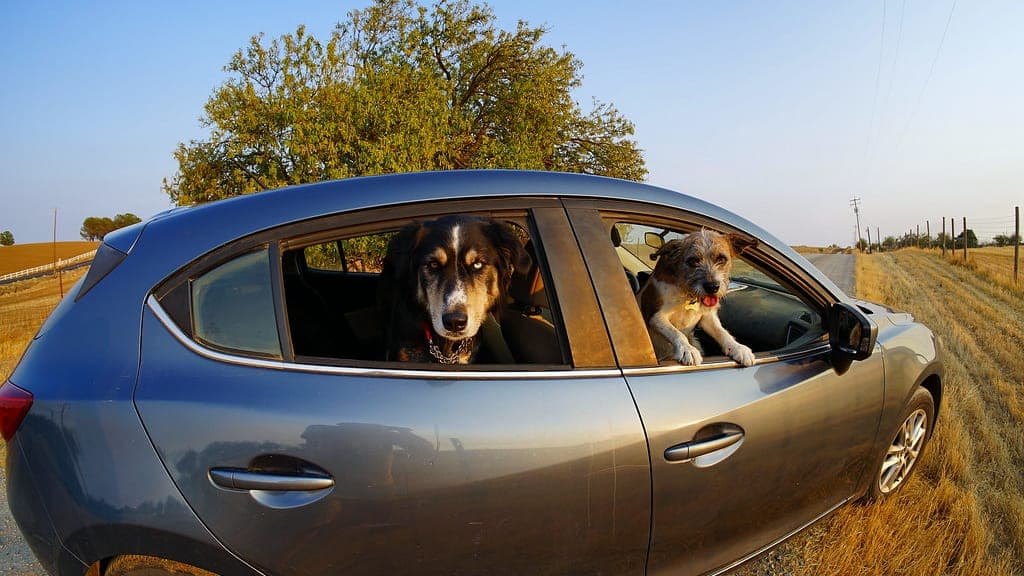
- Take your dog with you to dog-friendly places or in the car when safe and weather-appropriate.
- Work from home on some days while training progresses.
Exercise and enrichment before departures help, but a tired dog with separation anxiety is still a dog with separation anxiety. Meeting needs supports training; it does not replace it.
When to involve a professional and your vet
Get help early if your dog injures himself, cannot cope with even very short absences, or shows no progress after several weeks. A veterinary behaviorist or certified separation anxiety trainer can tailor a plan, and your vet can rule out pain or illness that may be lowering your dog's tolerance.
Our guide on whether you need a trainer or a behaviorist explains which credentials to look for.
Do calming aids, pheromones or supplements help?
Shelves are full of products promising a calmer dog home alone: plug-in diffusers, calming collars, chews, pressure vests and "relaxation" playlists. The research behind them is thin. Dog appeasing pheromone (DAP), a synthetic copy of a scent nursing mothers produce, has the most study, and some trials reported improvement in separation-related behavior. Others found little difference, and a systematic review of pheromone products concluded the evidence was not strong enough to recommend them as a stand-alone treatment.
Calming supplements are even less studied, and because they are not regulated like medicines, ingredients and strength can vary from one brand to the next. A few points keep expectations realistic:
- Treat them as extras, not the plan. No diffuser or chew teaches a dog that being alone is safe; gradual departures do.
- Judge them on video, not hope. Compare recordings of short absences before and after you start a product.
- Check with your vet first. Some supplements are unsuitable for dogs with certain health conditions or may interact with prescribed medication.
Medication: when your vet may prescribe it
Your vet may suggest medication when panic is severe enough that your dog cannot learn: self-injury, frantic escape attempts, distress within seconds of being alone, or weeks of careful training with little change. It may also be considered when daily life makes it impossible to avoid long absences while training gets underway.
Medication lowers the overall level of anxiety so that behavior modification can work; it is not a substitute for that work. In clinical trials, dogs with separation anxiety who received medication alongside a behavior modification plan improved faster than dogs following the same plan without it. Some options are given daily and can take several weeks to reach full effect, while others are used before specific departures.
Expect a health check, and sometimes blood tests, before anything is prescribed, along with follow-up visits to adjust the plan. Never stop a prescribed medication abruptly or add a supplement without asking your vet. For complex cases, a veterinary behaviorist (a vet with specialist training in behavior) can combine the medical and training sides in one plan.
How to prevent separation anxiety
The best time to prevent separation problems is in the first weeks with a new puppy or newly adopted dog, before alone time has ever felt frightening. A few habits make a big difference:
- Start alone time on day one, in tiny doses. Leave your puppy or new dog behind a baby gate with a chew while you shower or cook, then step out of the house for a minute or two. Lengthen these absences gradually over the following weeks.
- Avoid the "honeymoon week" trap. Many people take time off to settle a new dog, spend every waking moment together, then suddenly return to work. Build realistic alone time into that first week instead, so the change is gradual rather than abrupt.
- Keep days predictable. Dogs cope better when alone time follows a familiar pattern, for example a walk, a toilet break, a meal and then a quiet rest. Predictability helps a dog anticipate that you will come back.
- Save special enrichment for absences. A frozen food toy or lick mat that only appears when you leave gives departures a positive meaning. Remove it when you return.
- Encourage some independence at home. Reward your dog for resting on a bed while you move around, share care among household members, and let her choose to nap in another room. Clinginess is not something to punish, but a dog with one single source of comfort has less resilience when that person leaves.
- Make comings and goings boring. Skip emotional goodbyes, and greet your dog calmly on return, waiting a moment until she is settled before a fuss.
For puppies, short and positive periods apart belong in the same early-weeks plan as puppy socialization, and newly adopted adults benefit from exactly the same gradual start.
What to do next
This week, film one departure and run through the checklist above. If the signs point to separation anxiety, book a vet check, put a management plan in place so your dog is not left beyond what he can handle, and start practicing departure cues and tiny absences. Small, boring, successful repetitions are what change how your dog feels about being alone.
Frequently asked questions
What are the signs of separation anxiety in dogs?
The main signs appear only when your dog is alone or about to be left: barking, howling or whining that goes on for long periods, destruction focused on doors and windows, urinating or defecating indoors, drooling, pacing, panting and trying to escape. Many dogs also follow you closely and become restless as you prepare to leave. A video of your departure is the best way to confirm it.
Will a second dog cure separation anxiety?
Usually not. Most dogs with separation anxiety are distressed by the absence of their specific person, not by being without company in general, so a second dog often makes little difference. Some dogs with isolation distress do feel better with any company, but adding a dog is a big commitment that should never be used as a treatment experiment.
Should I crate a dog with separation anxiety?
Only if your dog is already relaxed in the crate when you are home and stays calm in it when you leave. For many anxious dogs, confinement increases panic and can lead to injuries from trying to escape. Film your dog in the crate during short absences before relying on it, and consider a dog-proofed room or gated area instead.
How long does separation anxiety training take?
Most dogs need weeks to months of daily practice, and severe cases can take longer. Progress is rarely linear, and absences often grow slowly at first and faster later. Short, frequent sessions that end before your dog becomes worried work better than long sessions, and avoiding over-threshold absences in daily life is just as important as the training itself.
Can puppies have separation anxiety?
Puppies commonly cry when first separated from their litter or new family, and that is a normal adjustment. Gradual alone-time practice from the first days at home helps prevent problems. If a puppy panics, vocalizes for long periods or cannot settle after short absences despite gradual practice, talk to your vet and a qualified behavior professional early rather than waiting.
Sources & further reading
- Schwartz, S. (2003). Separation anxiety syndrome in dogs and cats. Journal of the American Veterinary Medical Association, 222(11), 1526-1532.
- Naismith, J. (2019). Be Right Back!: How to Overcome Your Dog's Separation Anxiety and Get Your Life Back. Independently published.
- American Veterinary Society of Animal Behavior. (2021). Position Statement on Humane Dog Training. AVSAB.
- Frank, D., Beauchamp, G., & Palestrini, C. (2010). Systematic review of the use of pheromones for treatment of undesirable behavior in cats and dogs. Journal of the American Veterinary Medical Association, 236(12), 1308-1316.
- Mills, D. S., Demontigny-Bédard, I., Gruen, M., Klinck, M. P., McPeake, K. J., Barcelos, A. M., Hewison, L., Van Haevermaet, H., Denenberg, S., Hauser, H., Koch, C., Ballantyne, K., Wilson, C., Mathkari, C. V., Pounder, J., Garcia, E., Darder, P., Fatjó, J., & Levine, E. (2020). Pain and problem behavior in cats and dogs. Animals, 10(2), 318.
This guide is for education only and does not replace an in-person assessment. If your dog's behavior changes suddenly, or you are worried about bites or aggression, speak to your veterinarian or a qualified behavior professional. See our disclaimer.