Quirky behaviors
Why Do Dogs Dig? Holes in the Yard, Digging in Bed & Scratching the Couch
From cooling pits to buried bones and bedtime nesting, digging is natural dog behavior. Learn what's behind it and how to redirect it without punishment.
Key takeaways
- Digging is a natural behavior with real functions for dogs, including cooling down, nesting, hunting, caching food and burning off energy.
- Some breeds, such as terriers, dachshunds and northern breeds, were selected for traits that make them especially keen diggers.
- Digging in the bed or on the couch is usually nesting and comfort-seeking, while intense or sudden digging can point to anxiety, pain or a medical cause.
- Digging along fences or doorways often signals an attempt to escape, which may be linked to boredom, fear or separation-related distress.
- The most effective fix is to give your dog a legal digging spot, meet the underlying need and supervise, rather than punishing after the fact.
Jump to a section
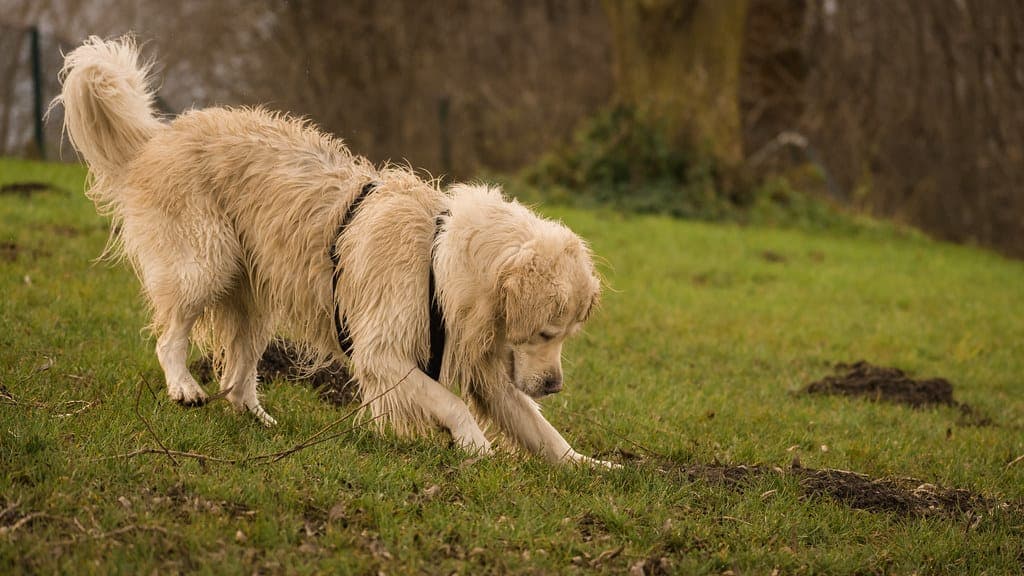
Dogs dig because it's a deeply ingrained behavior that serves real purposes: making a cool or cozy resting spot, hunting small animals underground, burying food for later, escaping, and simply having fun. Digging in a bed or on the couch is usually nesting, while holes in the yard more often reflect heat, prey, boredom or a strong breed drive.
Knowing that dogs dig "by nature" doesn't help much when your lawn looks like a minefield. The useful question is why this dog is digging here, right now. The location of the holes, the time of day and your dog's body language while digging reveal the motivation, and the motivation tells you the fix. Like every topic in dog behavior, context is everything.
The main reasons dogs dig
Breed and instinct
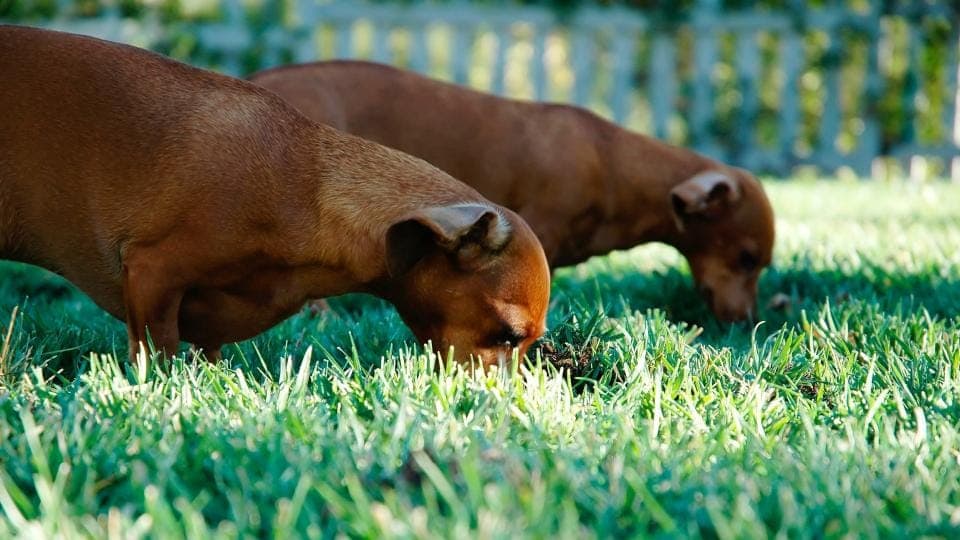
Many breeds were developed to dig. Terriers (the name comes from the Latin terra, earth) and dachshunds were bred to go to ground after badgers, foxes and rodents. Northern breeds such as huskies and malamutes dig shallow pits to rest in. If you share your home with one of these dogs, digging isn't a flaw; it's part of the job description.
Temperature control
In hot weather, dogs dig down to cooler, damp soil and lie in it. In cold weather, they may dig a sheltered hollow to conserve heat. Shallow, body-sized holes in shady spots, especially near the house or under bushes, usually point to temperature regulation.
Hunting
Dogs can smell and hear moles, voles, insects and grubs moving under the surface. Narrow, scattered holes or long trenches that follow a line across the lawn are classic signs of a dog on a hunting mission.
Caching
Burying a bone or chew is food-storing behavior inherited from ancestors that couldn't count on their next meal. Dogs who get more food or chews than they can finish right away are more likely to bury the extras, in the yard or between couch cushions.
Boredom and pent-up energy
Digging is self-rewarding. It's physical, it engages the nose and it produces interesting smells. Dogs left in the yard for long periods with little to do often turn to digging as their own enrichment activity.
Escape
Holes along the fence line or under gates usually mean your dog wants to get out. The reason might be a neighbor's dog, wildlife, a female in heat nearby, fear of a sound in the yard or distress about being separated from you.
Anxiety
Some anxious dogs dig at doors, crates or flooring, particularly when left alone or during storms. This digging tends to be frantic and is often paired with panting, pacing, drooling or vocalizing.
Nesting
Pregnant dogs and those going through a false pregnancy often dig and arrange bedding in preparation for whelping. Spayed and male dogs nest too, in a milder form, before settling down.
What your dog's digging location tells you
| Where the digging happens | Most likely reason | What to try first |
|---|---|---|
| Shallow holes in shade, dog lies in them | Cooling off | Shade, a cooling mat, fresh water, less midday outdoor time |
| Scattered small holes or trenches | Hunting grubs or rodents | Supervision, humane pest management, sniffing games |
| Along fences or under gates | Escape | Secure the boundary, find what's drawing your dog out |
| At doors or crate, when left alone | Anxiety or separation distress | Assess for separation anxiety; speak to a professional |
| In garden beds and fresh soil | Interesting smells, fun | Provide a legal digging pit |
| Burying toys or chews | Caching | Offer smaller portions; let your dog keep one cache spot |
| In the bed, couch or blankets | Nesting and comfort | Usually normal; give a bed with a blanket to arrange |
Dog digging in bed
Pawing, scratching and circling at bedding before lying down is one of the most common types of indoor digging. It's a nesting behavior that lets a dog flatten the surface, adjust it for temperature and get comfortable. It's closely related to the habit of circling before lying down.
Dogs also have scent glands between their paw pads, so scratching a favorite spot leaves a personal smell on it. That same mechanism is part of the reason dogs kick the ground after pooping.
Bed-digging is usually harmless. Give your dog a bed with a loose blanket so he can arrange it, and protect your own mattress with a washable cover. Once he settles, his chosen sleeping position gives further clues about how relaxed and secure he feels.
Vet check: Digging at bedding that becomes repetitive, lasts many minutes, or comes with restlessness, panting, trouble lying down or nighttime wandering can signal pain, discomfort or age-related cognitive changes. Older dogs who suddenly nest compulsively deserve a vet visit and a look at senior dog behavior changes.
Dog digging at the couch or carpet
Couch digging usually comes down to one of four things: making a nest, burying a treasure, chasing a lost toy or crumb, or releasing excitement or stress. Watch what your dog does next. If he lies down, it was nesting. If he tucks a chew into the cushions, it was caching. If he can't settle and keeps moving, consider stress.
Dogs who dig and chew at doors, window frames or carpet when left alone may be showing separation-related distress. That pattern overlaps strongly with destructive chewing and needs a different plan from ordinary boredom digging.
Dog digging holes in the yard
Yard digging is the version that frustrates owners most, and it almost always has an identifiable cause. Before you try to stop it, spend a few days observing:
- When does it happen? Hot afternoons suggest cooling; long stretches alone suggest boredom or distress.
- Where are the holes? Use the table above to match the pattern.
- What does your dog look like? Loose, bouncy and engaged suggests fun or hunting. Tense, frantic and vocal suggests anxiety or frustration.
If digging is clustered near the fence and paired with barking at the boundary, the problem is often a mix of frustration and arousal, similar to what drives excessive barking.
Safety note: Dogs who successfully dig out of the yard risk traffic, fights and getting lost. Secure fence lines first, then work on the reason behind the escape attempts.
How to stop dog digging
You don't need to eliminate digging. You need to move it somewhere acceptable and reduce the reasons for problem digging. Follow these steps:
- Identify the motivation. Use the location, timing and body language clues above. The fix for a hot dog differs from the fix for an anxious one.
- Create a legal digging zone. A child's sandbox, a framed patch of loose soil or a corner of the yard works well. Bury toys and chews a few inches down and let your dog watch you do it at first.
- Reward the right spot. When your dog digs in the zone, praise him and occasionally "discover" a hidden treat with him. When he starts digging elsewhere, calmly interrupt and walk him to the zone.
- Meet the underlying need. Add shade, cooling mats and water for heat-diggers. Add daily sniff walks, food puzzles and training games for bored diggers.
- Supervise and manage. Don't leave a digger alone in the yard for long periods. Temporarily fence off garden beds, and lay chicken wire or pavers just under the soil along fence lines.
- Handle wildlife humanely. If burrowing animals are the draw, consult a humane pest professional rather than using toxic baits, which can poison dogs.
- Address anxiety separately. If digging happens mainly when your dog is alone or frightened, work on that emotional cause with a qualified professional.
Myth: "Fill the hole with water and push your dog's face in it." Punishment after the fact doesn't teach a dog what to do instead, and it damages trust. Dogs can't link a correction to digging that happened minutes or hours earlier.
When digging is a sign of something more
Most digging is normal, but contact your vet or a behavior professional if:
- digging is sudden, intense and new for your dog;
- your dog injures his paws or nails, or keeps going even when bleeding;
- digging happens mainly when you're gone, alongside howling, drooling or house soiling, which can indicate separation anxiety;
- digging at doors or under furniture happens during storms or fireworks;
- the behavior looks compulsive and is hard to interrupt.
A veterinary behaviorist or certified behavior consultant can help design a plan when anxiety or compulsive behavior is involved.
What to do next
Start by watching your dog for a few days with curiosity rather than frustration. Note where and when he digs, and how he looks while doing it. Then give that need a legal outlet: a digging pit for the enthusiast, shade for the overheated dog, more brain work for the bored one and professional support for the anxious one.
For a wider view of why dogs do what they do, from nesting to scent marking, explore the full dog behavior guide.
Frequently asked questions
Why does my dog dig in his bed before lying down?
Scratching and pawing at bedding is an inherited nesting behavior. Wild canids dig and flatten a resting spot to adjust temperature, check for hazards and get comfortable. Your dog may also be leaving scent from glands in his paws. It's normal unless it becomes frantic, lasts a long time, or appears alongside restlessness, panting or difficulty settling.
Why is my dog suddenly digging holes in the yard?
Sudden digging often has a trigger: hot weather, a new animal living under the lawn, less exercise than usual, or a new source of stress such as being left alone more. Look at where the holes are. Shaded holes suggest cooling, scattered small holes suggest hunting grubs or rodents, and holes along the fence suggest escape attempts.
Should I put my dog's poop in the holes to stop digging?
This popular tip is unreliable and unhygienic. Some dogs avoid the spot, many simply dig somewhere else, and you haven't addressed why your dog is digging in the first place. A better plan is to provide an approved digging area, add shade and enrichment, supervise outdoor time and reinforce your dog for using the right spot.
Why does my dog dig at the couch or carpet?
Dogs may dig at soft furnishings to make a comfortable nest, to retrieve a lost toy or crumb, to bury a chew for later, or because they're excited, bored or anxious. If digging indoors is new, intense or paired with pacing, whining or panting, consider stress, pain or cognitive changes and speak to your vet.
Is it cruel to stop a dog from digging?
Stopping all digging with no alternative can frustrate a dog with a strong digging drive. The humane approach is to redirect the behavior, not erase it. A sandbox or designated dirt patch with buried toys lets your dog dig to his heart's content while protecting your garden, furniture and fences.
Sources & further reading
- Horowitz, A. (2009). Inside of a Dog: What Dogs See, Smell, and Know. Scribner.
- Landsberg, G., Hunthausen, W., & Ackerman, L. (2013). Behavior Problems of the Dog and Cat (3rd ed.). Saunders Elsevier.
- Overall, K. L. (2013). Manual of Clinical Behavioral Medicine for Dogs and Cats. Elsevier.
- American Veterinary Society of Animal Behavior. (2021). Position Statement on Humane Dog Training.
This guide is for education only and does not replace an in-person assessment. If your dog's behavior changes suddenly, or you are worried about bites or aggression, speak to your veterinarian or a qualified behavior professional. See our disclaimer.