Quirky behaviors
Dog Zoomies: Why Dogs Get Them and Whether They Are Normal
Sudden laps around the living room? Here's what dog zoomies (FRAPs) are, what triggers them, and when a burst of energy deserves a closer look.

Key takeaways
- Zoomies, or frenetic random activity periods (FRAPs), are short bursts of high-speed running that are normal in healthy dogs of all ages.
- Common triggers include baths, pooping, release from a crate, evenings, and the end of a stressful or exciting event.
- A happy zoomie dog has a loose, wiggly body, an open mouth and often play bows, while a stressed dog looks tense and frantic.
- Keep zoomies safe by clearing obstacles, avoiding slippery floors and never chasing a dog toward a road or hazard.
- Zoomies that are constant, hard to interrupt or paired with spinning, limping or other changes warrant a vet visit.
Jump to a section
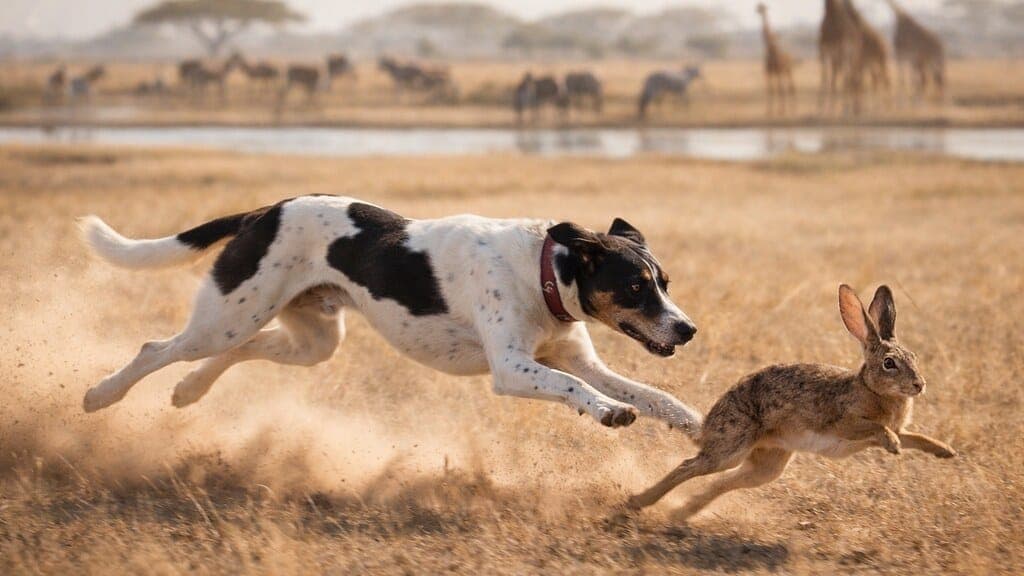
Dog zoomies are sudden bursts of frantic running, spinning and play-bowing that usually last a minute or two. Behavior professionals call them FRAPs, or frenetic random activity periods, and in a healthy dog they are a normal way to discharge built-up energy or excitement, often after a bath, a poop or time in a crate.
Most of the time, zoomies are pure joy. But the same burst of speed can come from relief after stress, from under-exercise, or occasionally from discomfort. Reading what your dog's body is saying during and around the sprint is what tells you which one you are looking at, and that context is what this guide walks through. For the wider picture of how quirky habits fit together, see our guide to everyday dog behavior.
What are zoomies? FRAPs explained
A zoomie episode has a recognizable shape. Your dog suddenly drops into a low, fast run, often with the hindquarters tucked under (sometimes called "butt-tuck running"). They race in loops or figure eights, change direction sharply, bounce off the sofa, and may pause for a play bow before launching again.
Typical features include:
- A loose, wiggly body rather than stiff or rigid movement
- An open mouth, often with the tongue flapping
- Ears pinned back with speed, not with fear
- Short bursts that end with panting, a shake-off, or flopping down
- Little or no interest in commands while it lasts
The technical term, frenetic random activity period, is a description rather than a diagnosis. It simply means a burst of high-energy activity with no obvious goal.
Why do dogs get the zoomies?
There is no single proven cause, and very little formal research has studied zoomies directly. What trainers, veterinary behaviorists and ethologists broadly agree on is that FRAPs are a release valve for arousal, and arousal can come from different places.
Excess energy
A dog who has spent hours resting or confined has physical energy to burn. Young, athletic and working-breed dogs are the most frequent zoomers, and the evening "witching hour" is a classic time for it.
Emotional relief
Many zoomies follow something mildly stressful: a bath, nail trim, vet visit or being held still. Once the event ends, the dog shakes off the tension in motion. This is closely related to the shake-off and other calming and displacement behaviors dogs use to reset.
Excitement and play
The return of a favorite person, fresh snow, a new open field or a play session with another dog can tip a happy dog into a full sprint. In this case zoomies are an invitation to play and part of normal happy dog body language.
Common zoomie triggers at a glance
| Trigger | Likely reason | What helps |
|---|---|---|
| After a bath | Relief, drying off, removing unfamiliar scent | Towel well, let them run in a safe room |
| After pooping | Lightness, relief, possible post-marking excitement | Let them run in a safe area, then calmly leash up |
| Out of the crate | Stored energy after confinement | Short sniff walk or play before settling |
| Evenings | Daily energy peak, overtiredness in puppies | Enrichment and a predictable wind-down routine |
| After the vet or groomer | Release of stress | Quiet time and a chew afterward |
| Snow, sand, open fields | Novel sensations and space | Check the area is fenced and hazard-free |
| Greeting a person or dog | Social excitement | Calm greetings, reward four paws on the floor |
Zoomies after a bath
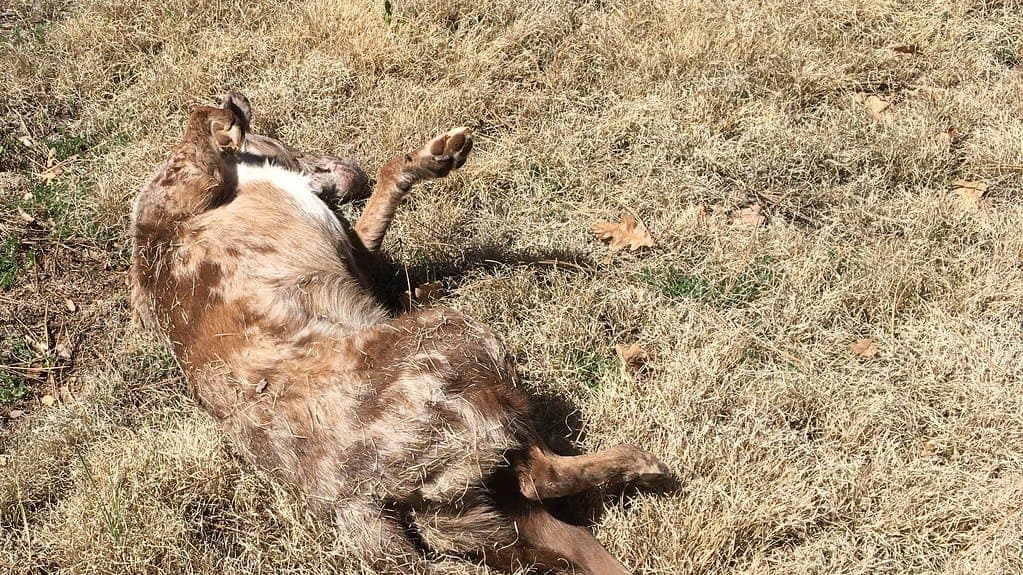
Post-bath zoomies are so common they are almost a rite of passage. Several things likely combine: relief that a restrained and unusual experience is over, a drive to dry off, and the urge to replace the strong shampoo smell with something more familiar. That is why many dogs rub their faces along the carpet or roll on the sofa while they run, a cousin of the instinct behind rolling in smelly things.
To make bath time easier:
- Use a non-slip mat in the tub and keep sessions short.
- Pair the bath with high-value treats so it becomes less stressful over time.
- Towel thoroughly before releasing your dog.
- Close doors to rooms with fragile items or slippery floors.
- Give a long-lasting chew afterward to help them settle.
Zoomies after pooping
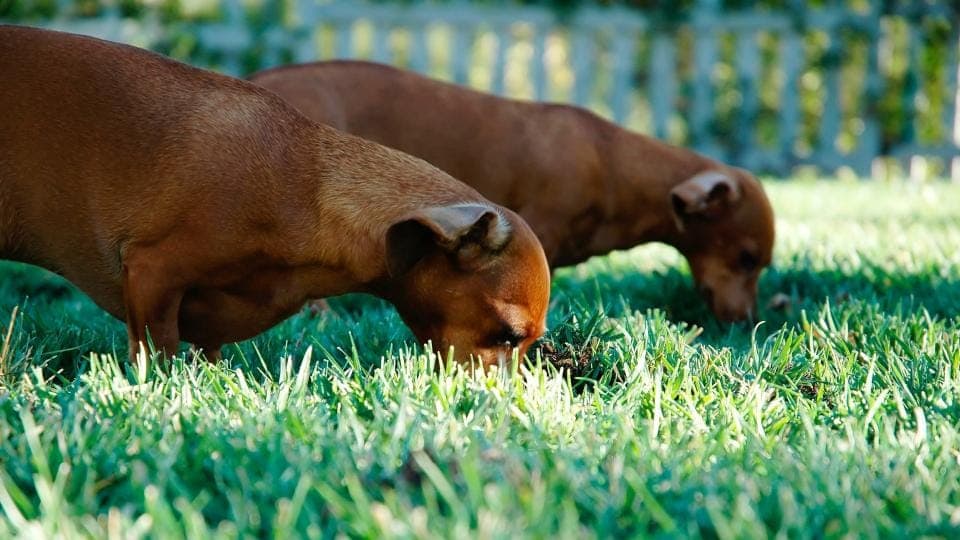
Many owners notice their dog bolts off immediately after defecating. This may be partly simple relief and a feeling of lightness. It may also be linked to the excitement of scent marking, which is the same instinct behind kicking up grass after pooping.
Another informal idea is that the vulnerable posture during defecation produces a small burst of alertness that is discharged once the dog is upright again. None of these explanations has been proven, but all fit with what we see.
Vet check: If your dog sprints or scoots right after pooping and also licks the rear end, drags it along the ground, or strains, have your vet check for anal sac problems, parasites or digestive discomfort. Running off from discomfort can look a lot like happy zoomies.
Are zoomies normal?
Yes. In a healthy dog, occasional zoomies are a normal part of the canine behavior repertoire. They are seen in puppies, adolescents and many adults, and some senior dogs still enjoy a short burst on a good day.
A few patterns are worth knowing:
- Puppies and adolescents zoom most, often when overtired. Evening zoomies in puppies frequently come with mouthing, so have toys ready; our guide to puppy biting covers how to redirect it kindly.
- High-energy breeds such as herding, terrier and sporting dogs may zoom more if their exercise and mental stimulation are not meeting their needs.
- Senior dogs zoom less, and a sudden return of frantic, restless activity in an older dog is worth discussing with your vet.
Myth: Zoomies mean your dog is badly behaved or "out of control." Zoomies are not a training failure. They are an emotional and physical release, and punishing them only adds stress.
Reading your dog's body language during zoomies
Context matters more than the running itself. Look at the whole dog, not just the speed.
Signs of happy zoomies
- Loose, curvy body and bouncy gait
- Relaxed, open mouth
- Play bows, spins and inviting glances at you or another dog
- Returns to calm within a few minutes
Signs the running may be stress-driven
- Tense face, closed mouth or lips pulled far back
- Tail tucked low throughout
- Running away from something, then hiding
- Panting heavily before the burst even started
- Paired with other signs of stress in dogs, such as whale eye, trembling or pacing
When two dogs zoom together, watch for role reversals and pauses. Healthy chase games swap who is chasing and who is chased. If one dog is always fleeing with a tucked tail, see our guide on whether dogs are playing or fighting.
When zoomies may signal a problem
Most zoomies need no intervention. A small number of patterns deserve a closer look:
- Zoomies multiple times every hour, or lasting much longer than a few minutes
- Frantic spinning or tail chasing that is hard to interrupt, which can be a sign of a compulsive disorder, discussed further in our article on dogs circling excessively
- Limping, yelping or slipping during or after the burst
- A brand-new pattern in an adult or senior dog, especially alongside sleep changes, irritability or confusion
Any of these warrants a vet visit first, because pain, itching, gastrointestinal discomfort and neurological issues can all change how a dog moves. Our page on sudden changes in dog behavior lists other red flags. If your vet rules out a medical cause, a veterinary behaviorist or certified behavior consultant can help.
How to keep zoomies safe
You cannot reliably stop a zoomie once it starts, and in most cases you should not try. Instead, make the environment safe.
- Clear the runway. Move low tables, toys and anything breakable out of the main loop.
- Mind the floor. Hardwood and tile cause slips and injuries. Add rugs or runner mats, or guide your dog outside to a fenced area.
- Don't chase. Chasing turns zoomies into a game of keep-away and can push your dog toward hazards. Walk away or crouch down instead; many dogs will curve back toward you.
- Practice recall when calm. Build a strong recall with food rewards in low-distraction settings so it is ready when you need it. Humane, reward-based training is recommended by the AVSAB.
- Never zoom near roads. If your dog tends to zoom on walks, use a long line in open areas and keep a firm grip near traffic.
- Wind down afterward. A sniffing game, chew or lick mat helps arousal drop.
Pro tip: If your dog reliably zooms after a bath or at a certain time of day, plan for it. Open the back door to a fenced yard or start a tug game a few minutes before the usual witching hour so the energy has somewhere to go.
Meeting your dog's needs
If zoomies are very frequent, look at the whole day. Most dogs benefit from a mix of physical exercise, sniff walks, food puzzles, training games and rest. A dog whose needs are met tends to zoom for joy rather than out of frustration.
Putting it together
Zoomies are one of the most delightful behaviors dogs show: a short, happy explosion that usually means your dog feels good, relieved or excited. Watch the body language around the sprint, make the space safe, and resist the urge to chase or scold.
If the pattern changes, becomes constant or looks frantic rather than playful, start with a vet check and then a qualified behavior professional. To understand the other quirky habits that often appear alongside zoomies, explore the full dog behavior guide.
Frequently asked questions
Why do dogs get the zoomies?
Dogs get the zoomies to release pent-up energy or emotional arousal. Typical triggers are a bath, a poop, coming out of a crate, the end of a vet visit or simply an exciting evening. The sprinting looks chaotic, but for most dogs it is a brief, healthy way to reset their nervous system and usually ends within a few minutes.
Are zoomies normal in dogs?
Yes. Zoomies are normal in healthy dogs and are especially common in puppies and young adults. Many dogs keep doing them into their senior years. They only become a concern if they happen constantly, last a long time, cannot be interrupted, look frantic rather than playful, or appear alongside spinning, limping or other new behavior changes.
What does FRAPs mean in dogs?
FRAPs stands for frenetic random activity periods, the technical name for zoomies. A FRAP is a sudden, short episode of fast running, often in circles or figure eights, with tucked-butt sprinting, play bows and quick direction changes. It is generally considered a normal release of energy rather than a behavior problem.
Why does my dog get zoomies after a bath?
Post-bath zoomies are probably a mix of relief that an unusual or mildly stressful event is over, a strong urge to dry off and get rid of the shampoo smell, and simple arousal. Many dogs rub along furniture and roll on carpets at the same time. Toweling well and giving a safe space to run helps.
How do I calm my dog down during zoomies?
Usually you do not need to. Clear the area and let the burst run its course. If you must stop it, walk away from your dog rather than chasing, then call them with a happy voice and reward with a treat or toy. Calm, sniffy activities like a scatter feed help bring arousal down afterward.
How long do zoomies last?
A typical episode lasts from a few seconds to a couple of minutes. Puppies and young, high-energy dogs may run several rounds back to back, with short pauses for panting or a play bow. The end is usually obvious: a shake-off, a drink or flopping onto the floor. If bursts regularly stretch past five minutes, or your dog can't settle afterward, review exercise and stress levels and ask your vet.
Do cats get zoomies too?
Yes. Cats have their own version, often nicknamed the midnight crazies: sudden sprints through the house, wall bounces, puffed tails and wild pouncing, frequently at dusk, during the night or after using the litter box. As with dogs, it seems to release pent-up energy, especially in young or indoor cats. Daily interactive play helps, and a sudden change in a cat's activity level deserves a vet check.
Sources & further reading
- Bekoff, M. (2007). The Emotional Lives of Animals. New World Library.
- Horowitz, A. (2009). Inside of a Dog: What Dogs See, Smell, and Know. Scribner.
- Landsberg, G., Hunthausen, W., & Ackerman, L. (2013). Behavior Problems of the Dog and Cat (3rd ed.). Saunders Elsevier.
- American Veterinary Society of Animal Behavior. (2021). Position Statement on Humane Dog Training. AVSAB.
This guide is for education only and does not replace an in-person assessment. If your dog's behavior changes suddenly, or you are worried about bites or aggression, speak to your veterinarian or a qualified behavior professional. See our disclaimer.